

LVL beams represent one of the most significant engineered wood products in modern construction. These laminated veneer lumber beams provide exceptional strength and dimensional stability. Architects, engineers, and builders increasingly specify LVL beams for residential and commercial projects requiring reliable structural performance.
Understanding LVL beams helps construction professionals make informed specification decisions. The right structural member impacts building safety, cost efficiency, and construction speed significantly. This guide covers everything you need to know about selecting and using LVL beams effectively.
What Are LVL Beams
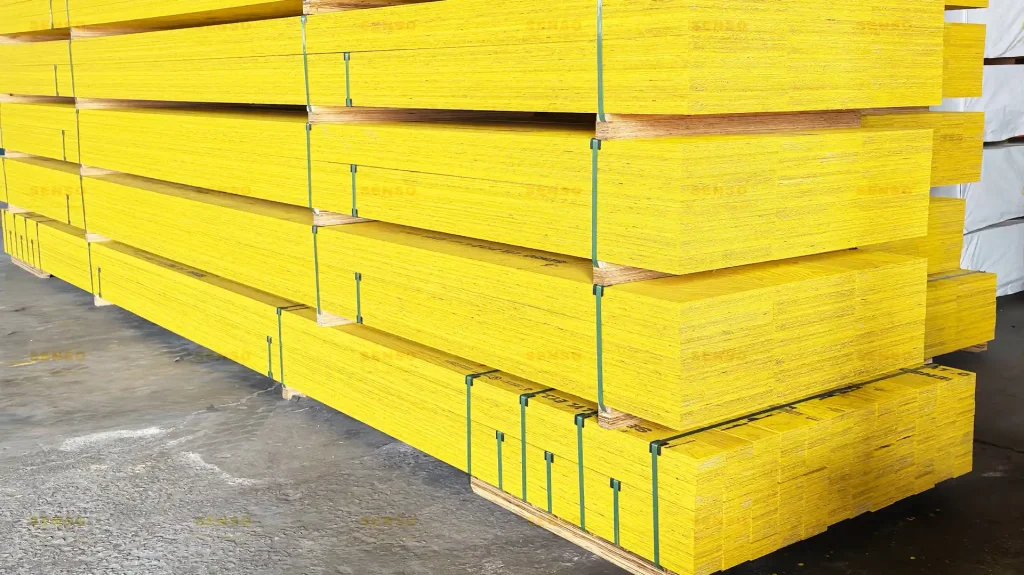
LVL stands for Laminated Veneer Lumber. This engineered wood product consists of multiple thin wood veneers bonded together under heat and pressure. The manufacturing process aligns all veneer grains in the same direction, creating a homogeneous material with exceptional strength.
Unlike solid timber, LVL beams resist warping, twisting, and shrinking. This dimensional stability makes LVL ideal for long-span applications where precision matters. The manufacturing process also allows for longer lengths than traditional lumber.
The production involves peeling logs into thin sheets, drying the veneers, and gluing them together with waterproof adhesives. This process creates a product that performs consistently across different environmental conditions.
Key Advantages of LVL Beams
LVL beams offer numerous benefits that explain their growing popularity in construction.
Superior Strength ranks as the primary advantage. LVL provides strength comparable to steel at a fraction of the weight. This strength-to-weight ratio simplifies handling and installation significantly.
Consistent Quality distinguishes LVL from natural wood. Factory manufacturing ensures uniform properties throughout each beam. This predictability simplifies structural calculations and ensures reliable performance.
Dimensional Stability maintains shape over time. LVL resists the warping and twisting that affects traditional lumber. This stability preserves structural integrity throughout the building lifespan.
Common Applications
LVL beams serve various structural purposes across construction projects.
Floor Joists represent the most common application. LVL joists span longer distances than conventional lumber. This reduces the need for intermediate supports and creates open floor plans.
Roof Ridges benefit from LVL’s strength and length capabilities. LVL ridge beams support roof loads over wide openings. They eliminate the need for unsightly support columns in vaulted ceilings.
Headers and Beams carry loads across openings. LVL headers support walls and floors above windows and doors. Their load-carrying capacity exceeds equivalent solid lumber sizes.
Garage Door Headers require exceptional strength. LVL handles the concentrated loads from garage door mechanisms. It provides reliable performance without excessive deflection.
Selecting the Right LVL Beam
Proper beam selection ensures structural adequacy and cost efficiency.
Load Requirements determine necessary beam size. Calculate total loads including dead weight, live loads, and any concentrated loads. Engineering calculations should verify adequacy.
Span Length influences beam depth requirements. Longer spans require deeper beams to maintain stiffness. Check deflection limits for your specific application.
Availability affects project scheduling. Standard LVL sizes are readily available. Custom sizes may require longer lead times and higher costs.
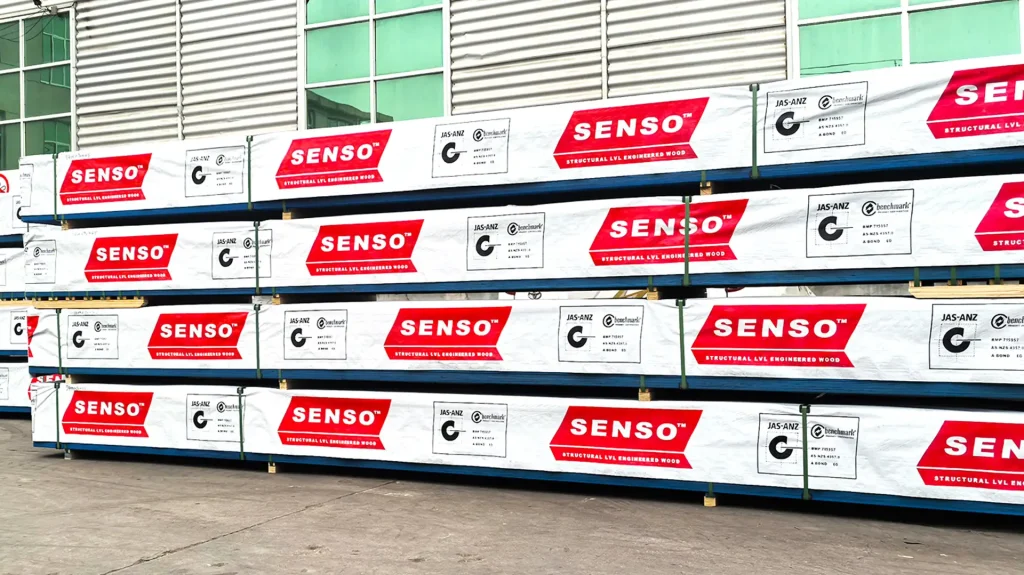
Grade Markings indicate performance capabilities. Look for manufacturer stamps showing grade and species. These markings verify compliance with building codes.
Installation Best Practices
Proper installation maximizes LVL beam performance.
Handling Precautions prevent damage during construction. Lift beams from the center to avoid splitting. Store flat and dry until installation.
Support Conditions require proper bearing. LVL beams need adequate bearing surfaces at supports. Use bearing plates where required by engineering.
Fastening Requirements ensure load transfer. Follow engineering specifications for nail or bolt patterns. Proper fastening prevents splitting and ensures structural continuity.
Notching and Drilling require careful attention. Never notch in the tension zone without engineering approval. Drilling for utilities must follow specific guidelines.
Cost Considerations
Understanding LVL costs helps with project budgeting.
LVL beams typically cost more than dimensional lumber of equivalent size. However, the added cost often provides better value. LVL’s strength allows smaller sizes, potentially offsetting material costs.
Long-term savings result from reduced maintenance. LVL does not warp or twist, eliminating future repairs. The dimensional stability also prevents drywall cracks and other finish problems.
Labor savings offset higher material costs. LVL’s light weight facilitates handling. Faster installation reduces labor hours. Longer spans reduce the number of support connections needed.
Environmental Benefits
Sustainable construction increasingly influences material selection.
LVL utilizes smaller diameter trees from fast-growing species. This reduces pressure on old-growth forests. The manufacturing process also uses wood efficiently with minimal waste.
Lower transportation energy results from lighter weight. LVL’s strength-to-weight ratio means less material moves more load. This efficiency reduces the carbon footprint of construction projects.
Renewable resource characteristics make LVL environmentally responsible. Wood sequesters carbon throughout its life. Using LVL contributes to greener building practices.
What to Consider
LVL beams provide exceptional structural performance for modern construction. Their strength, stability, and consistency make them ideal for demanding applications. Proper selection and installation ensure reliable building performance.
Working with reputable suppliers ensures quality products. Look for certified manufacturers with consistent quality controls. Technical support from suppliers helps with proper specification.
Consider LVL beams for your next project. The investment provides long-term benefits through superior performance and reduced maintenance. Your building will maintain structural integrity for decades.
Post time: Mar-23-2026