

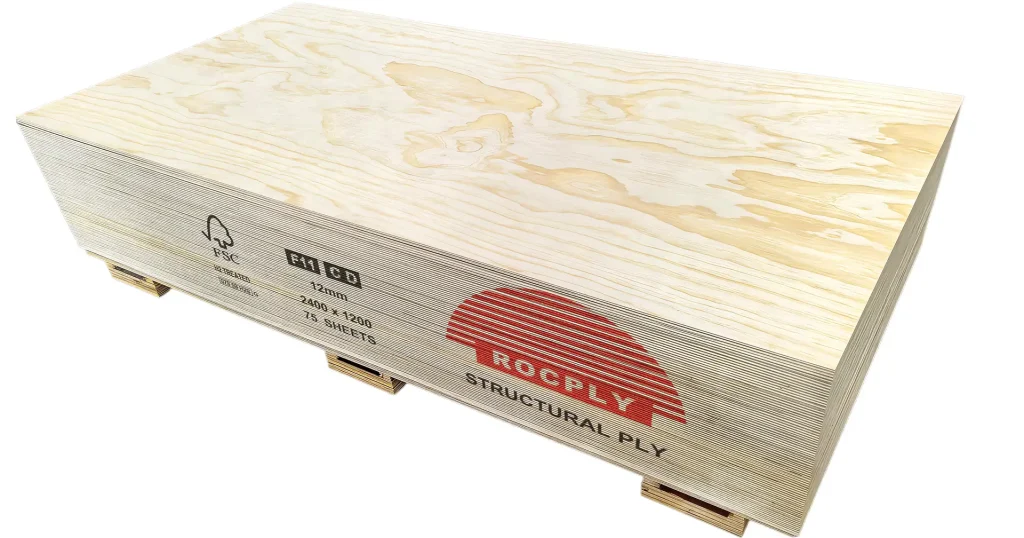
A quote for structural plywood can look clean on paper and still create trouble on site. The panel arrives, the thickness looks right, and the load plan seems simple. Then the floor feels softer than expected, the wall line needs more correction, or the formwork cycle becomes shorter than the buyer planned. That is why structural plywood deserves a closer look than many buyers give it. On RPC, ROCPLY Structural Plywood is presented as a load bearing panel for floors, walls, and roofs. The wider site also connects it to formwork, LVL, and timber building materials.
This makes structural plywood a strong traffic keyword and a strong enquiry keyword at the same time. Searchers often want more than a basic definition. They want to know which grade fits the job, which thickness suits the load, which standard applies in their market, and which supplier can support repeat orders with stable quality. Those are commercial questions, so this page should reduce doubt and move the buyer toward a better first enquiry.
Why Structural Plywood Quotes Can Lead Buyers the Wrong Way
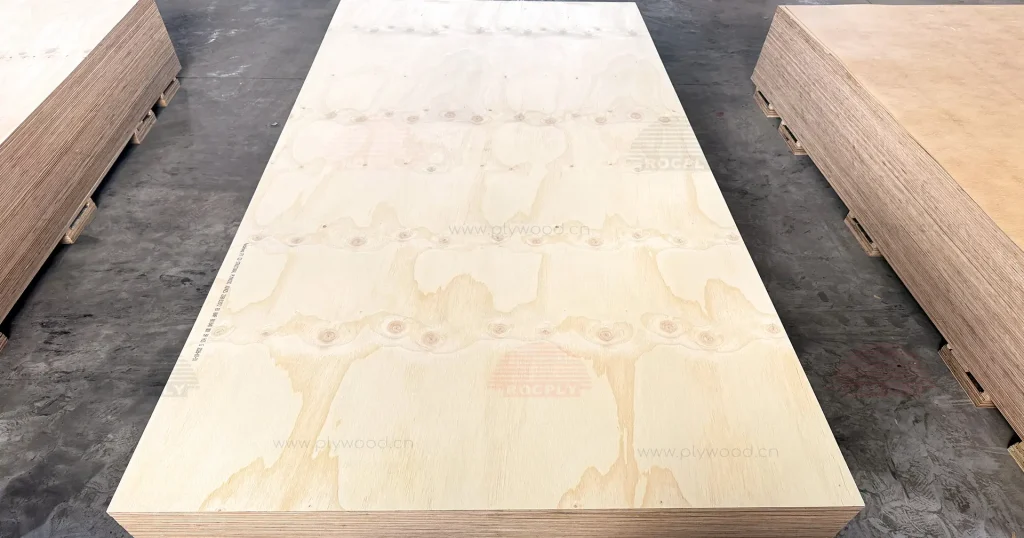
Structural plywood quotes often look alike. Many suppliers promise strength, moisture resistance, and broad use. However, the details make the real difference. On ROC, ROCPLY Structural Plywood is listed in grades including F8, F11, F14, F17, and F27. The page also shows common thicknesses from 4 mm to 28 mm, square edge options, and untreated or H2S treated panels. That already tells a buyer that structural plywood is not one simple product.
A cheap panel may still count as structural in a narrow sense. Yet the job may need a different stress grade, a different thickness, or a different treatment route for the result the buyer expects. Many people ask for a sheet size and a price before they define the load path, the exposure level, and the expected service cycle. When that happens, the quote looks fast, but the real risk stays hidden inside it.
Structural Plywood Selection Starts with the Job
Good buyers start with the application. A roof deck does not behave like a wall brace panel. A subfloor does not behave like a reusable formwork face. Even when the material family stays the same, the work done by the panel changes. ROC highlights structural plywood for floors, walls, roofs, house framing, and floor decking. Other pages move buyers toward Formwork Plywood, LVL Laminated Veneer Lumber, and related products when the use case shifts.
That internal structure reflects the real buying process. One project may need structural plywood for subfloors, formply for concrete work, and LVL for framing or edge support. If a site helps the buyer move across those categories, it improves enquiry quality because the buyer starts to think in systems, not isolated sheets.
- Use case first
- Load path second
- Market standard third
- Thickness and grade after that
- Price only after the technical fit is clear
Structural Plywood Grades Change More Than the Spec Sheet
The ROCPLY Structural Plywood page gives a stronger signal than a generic sales page because it shows multiple structural grades and points to AS NZS 2269 compliance. That matters because buyers often search grade terms directly. They do not only search structural plywood. They also search F11 plywood, F17 plywood, or structural plywood for flooring. A page that answers those paths stands a better chance of ranking and converting.
| Grade route | What it usually signals | Typical buying logic |
|---|---|---|
| F8 to F11 | Lighter structural demand or lower stress route | Used when cost is tighter and the load case is less severe |
| F14 to F17 | Mainstream structural use in many building jobs | Chosen when the buyer wants a stronger all round construction panel |
| F27 | Higher stiffness and heavier duty route | Used when the application demands a more robust panel choice |
The table is simple on purpose. Buyers do not need a long theory block first. They need to know what changes when the grade changes. Then they can ask better questions and compare offers more accurately.
Thickness Only Works in the Right Context
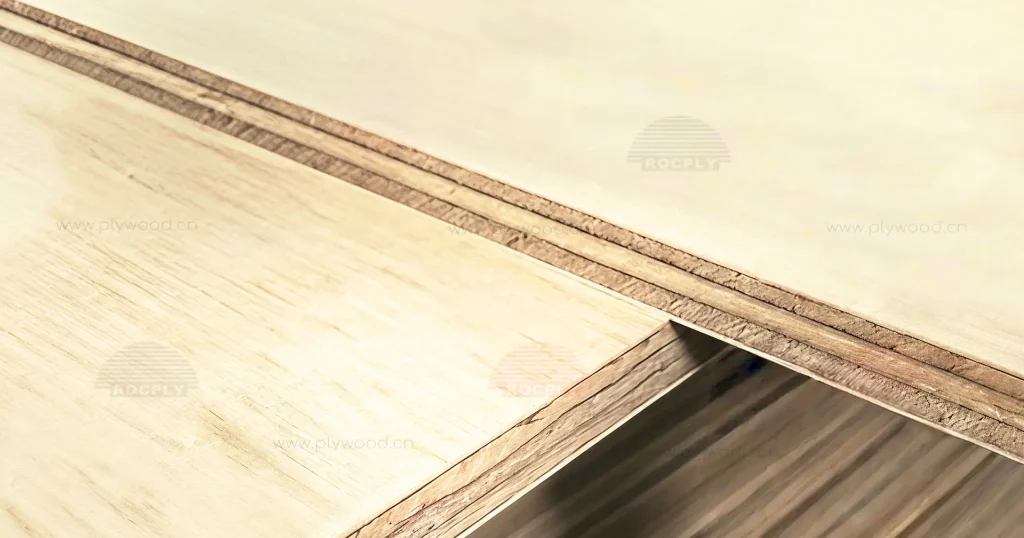
Many procurement teams ask about thickness before they ask about grade. That feels practical, but it can still lead to a weak choice. The ROCPLY product page lists thicknesses from 4 mm to 28 mm. In real work, that range means thin sheets may suit lighter lining or overlay roles, while thicker sheets move toward subflooring, sheathing, and more demanding structural use. Grade and thickness need to work together.
A thicker low grade panel does not automatically replace a better matched structural panel. That is why experienced buyers compare span, stiffness, stress grade, and use case before they approve the sheet. Thickness matters, but it only matters in the right context.
A wrong thickness is easy to see on a quote. A wrong grade often stays hidden until the panel is already on the job.
Structural Plywood Standards Help Buyers Avoid Costly Mistakes
A structural plywood page that wants better rankings and better enquiries should also make standards easier to understand. In Australia and New Zealand, AS NZS 2269 is the main structural plywood reference. In North America, APA performance rated panel guidance is a familiar benchmark for structural panel selection and marking. In Europe, EN 13986 is the harmonized standard for wood based panels used in construction. These are not interchangeable labels, so buyers should match the market before they match the quote.
This point is useful commercially because it gives the sales team a better way to qualify leads. If the buyer can state the target market, intended use, required marking route, and preferred panel size, the supplier can move from generic pricing to accurate pricing much faster.
Useful reference sources: AS NZS 2269, APA Plywood, and EN 13986 reference.
What Buyers Check Before Ordering Structural Ply
ROC gives useful context because the site presents ROC as a manufacturer and wholesaler of plywood, LVL, OSB, MDF, formwork panels, H20 beams, and scaffold planks. That wider product scope matters. It suggests the supplier can support mixed project needs instead of one disconnected product line.
Still, smart buyers verify details before they commit. They ask whether the grade is branded correctly. They ask what bond route is used. They ask whether the panel is square edge or tongue and groove, whether treatment is needed, how moisture is controlled, and whether the same build can be held over repeat orders. Those questions do not slow the purchase down. They prevent the wrong fast purchase.
- Confirm the application
- Confirm the target market
- Confirm the structural grade
- Confirm thickness range and edge style
- Confirm treatment needs
- Confirm repeat order consistency
- Confirm whether the same supplier can support related timber items
Buyers who want a wider sourcing path can move from ROCPLY Structural Plywood to Formwork Plywood, LVL Laminated Veneer Lumber, and Timber Building Materials without leaving the site. That helps both enquiry quality and internal link strength.
Questions Buyers Usually Ask
What is structural plywood used for
Structural plywood is used where the panel needs to carry load or support the building system, such as subfloors, wall bracing, roof decking, and some formwork related jobs.
Is structural plywood the same as formply
No. Structural plywood may be used in many building roles, while formply is selected more specifically for concrete formwork performance, surface finish, and reuse goals.
Does a higher grade always mean the best buy
Not always. A higher grade can be the wrong buy if the application does not need it. The right buy fits the load case, service conditions, and target market standard.
What should a first enquiry include
A strong first enquiry should include the application, target market, panel size, thickness range, grade preference, treatment needs, and expected order volume.
The Best Next Step After Comparing Structural Plywood
A structural plywood page that wants better enquiries should finish with a practical buying move. Start with the use case. Then confirm the market standard. After that, compare grade, thickness, edge style, and treatment. Buyers who want to move deeper into ROC can start with ROCPLY Structural Plywood, then review related pages such as Formwork Plywood, LVL Laminated Veneer Lumber, or Timber Building Materials depending on the project mix. That path mirrors how real construction buying works, and it is more likely to convert than a broad contact message.
Frame LVL
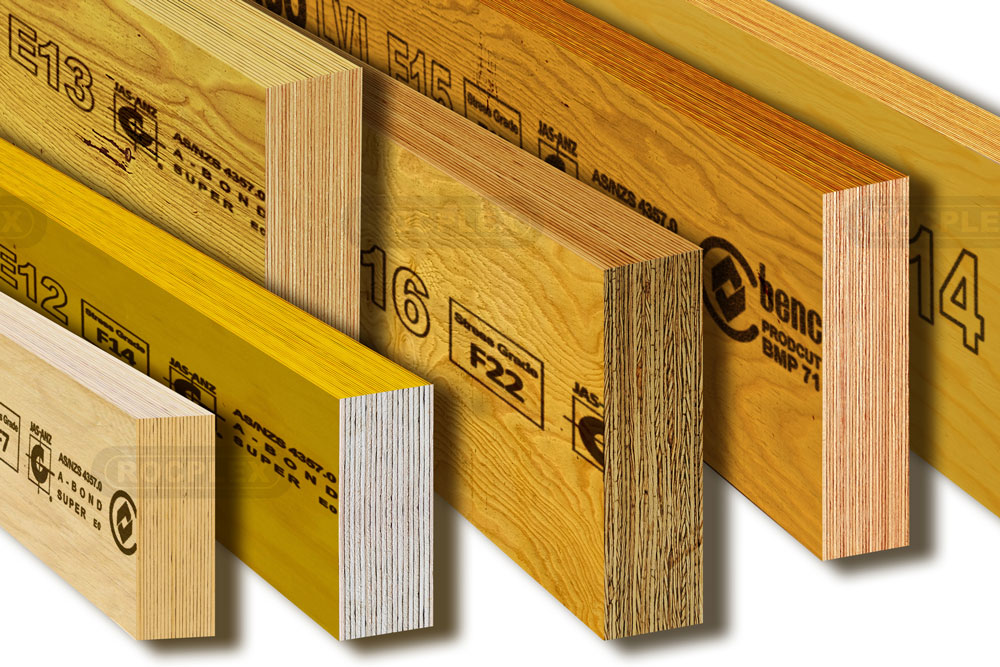
Frame LVL is built for buyers who need straight, stable timber for structural framing. It suits wall frames, roof frames, lintels, rim boards, and other framing members where consistency matters. For importers, distributors, and project buyers, a good Frame LVL category page should do more than define the product. It should explain where the product fits, what standards matter, and what to check before placing an order.
SENSO Frame LVL is positioned for markets that want reliable framing performance and repeatable supply. That matters in Australia, the United States, and other global markets where builders, merchants, and timber buyers expect straight stock, clear grade information, and stable pack quality. A strong category page should answer those needs in plain language and support real buying decisions.
What makes Frame LVL a practical choice for structural framing
Frame LVL is made from thin wood veneers bonded under heat and pressure, with the grain running mainly in one direction. That structure helps produce timber members with more uniform strength and better dimensional consistency than ordinary solid timber. In real job use, that means straighter members, easier frame alignment, and less time spent sorting material on site.
This is one reason builders and wholesalers look for Frame LVL instead of standard framing stock when they need better control over straightness and pack consistency. It helps on projects that need repeatable framing quality across many bundles, many jobs, or ongoing supply cycles. For buyers, consistency often matters as much as the first quoted price.

Where Frame LVL fits in framing packages
Frame LVL works well in wall framing, roof framing, lintels, trimmers, rim boards, and selected floor framing members. It is often chosen when long straight lengths are important and when builders want to reduce movement and variation. It also suits projects where pack-to-pack consistency matters for production framing, prefabrication, or merchant supply.
For many buyers, Frame LVL is part of a wider engineered timber package. One shipment may include framing members, I Joists, or other structural timber products. That is why this category page should show where Frame LVL belongs in the product range and how it connects with related SENSO items.
A quick product comparison before you choose
Buyers often compare Frame LVL with solid timber and I Joists. These products do not serve exactly the same role, so the page should help the reader sort them quickly. The table below gives a clear first view.
| Option | Best fit | Straightness and size control | Main buying checks |
|---|---|---|---|
| Frame LVL | Wall framing, lintels, rim boards, selected roof and floor members | High | Grade, bond quality, sizes, lengths, machining, marking |
| Solid sawn timber | General framing where local supply is easy and variation is accepted | Medium to variable | Visual grade, moisture, stock consistency, warp level |
| I Joists | Floor and roof joist systems | High | Span design, flange type, web layout, system details |
This comparison helps both search users and trade buyers. It shows that Frame LVL is not just another timber line. It fills a clear role in structural framing where straightness, stability, and repeatable quality matter more than rough commodity pricing.
Grade and compliance checks that buyers should ask for
Grade and compliance should come early in the buying process. Buyers in Australia often look for product language tied to structural LVL grades such as E14 and F17, together with clear conformance information for the target market. Buyers in the United States and other regions usually focus on structural performance, traceable mill control, clear product identification, and support paperwork that suits local requirements.
For this reason, the category page should stay practical. It should not make broad claims without context. Instead, it should explain that final grade, certification scope, and product marking should match the mill records and shipping documents for each order. That sounds more credible and helps reduce claim risk after delivery.
- Confirm the target market before quoting
- Confirm the structural grade required for the job
- Confirm whether certification or third-party support is needed
- Confirm product marks and bundle labels before production
- Confirm whether machining or special sizing is required
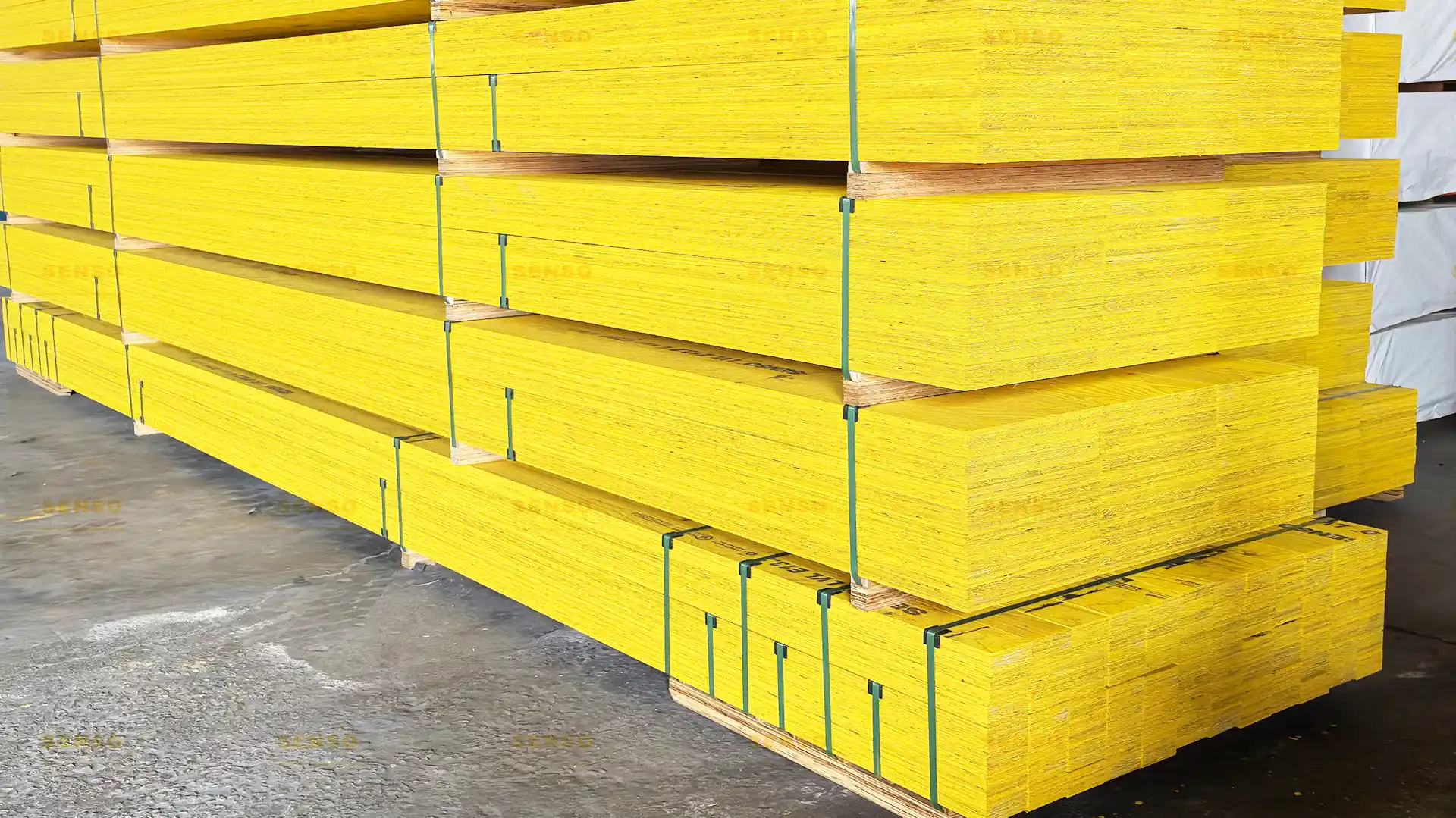
Size length and machining details that affect the real job
Many inquiries fail because they only ask for a price per cubic meter. That is not enough for Frame LVL. A serious quote should cover section size, target length, tolerance expectations, end use, and whether machining is needed. If the buyer wants cleaner framing assembly, long lengths and tight size control may be more important than a small price difference.
This is where a category page can help conversion. It should guide the buyer to send useful inquiry details. That saves time for both sides and reduces the chance of a wrong quote. For B2B supply, better inquiry quality often leads to better orders.
Ask for size, length, grade, market, and machining scope in the first inquiry. That one step removes many common supply errors.
Common buying mistakes that create claim risk
One common mistake is treating all LVL as the same product. Another is mixing framing, joist, and formwork requirements in one short inquiry. Some buyers also forget to confirm bundle marks, pack style, moisture expectations, or the exact use case. These gaps can lead to wrong production, wrong documents, or site complaints after delivery.
A better category page should reduce those mistakes before the sales conversation even starts. It should show the main applications, explain what product data matters, and direct buyers to related pages when another engineered timber product may fit better.
- Do not quote only by cubic meter price
- Do not assume all LVL grades are interchangeable
- Do not skip bundle marking and pack confirmation
- Do not ignore destination market requirements
- Do not mix framing and joist needs without clarification
How Frame LVL connects with the rest of the SENSO range
Frame LVL should sit inside a clear engineered timber product family. On plywood.cn, it should link naturally to Structural LVL, I Joists, LVL Formwork Beams, and Scaffold Plank. Those links help users move from a broad product search to a more exact buying path.
This also helps SEO. Internal links tell search engines that these pages belong to one clear product cluster around engineered timber and structural supply. That strengthens category relevance and helps buyers stay longer on the site as they compare options.
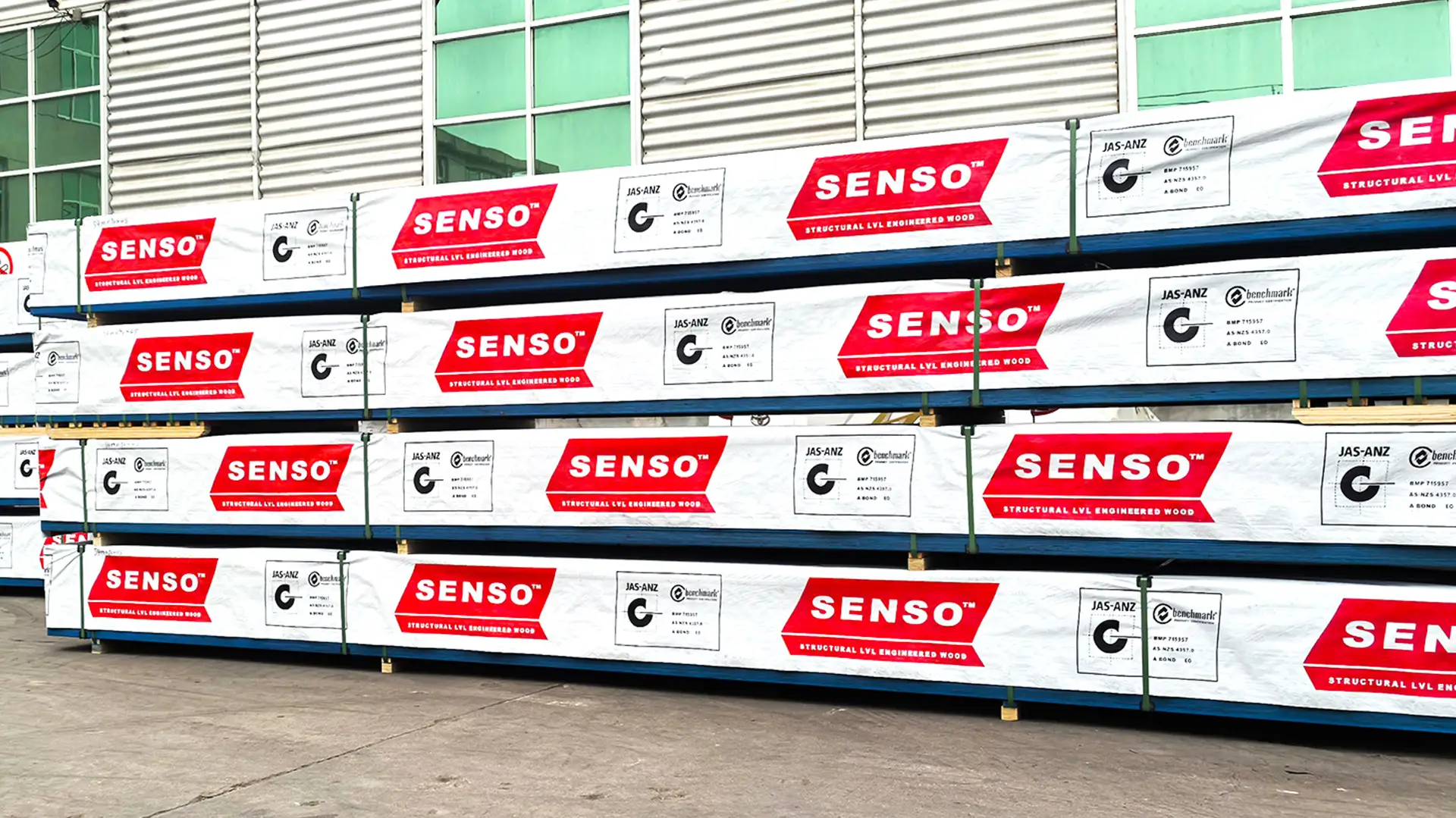
Frame LVL FAQ
What is Frame LVL used for
Frame LVL is used for structural framing members such as wall parts, lintels, rim boards, and selected roof or floor framing members.
Is Frame LVL the same as an I Joist
No. Frame LVL is a solid engineered timber member. An I Joist is a floor or roof system member with flanges and a web.
What should Australian buyers check first
They should check the structural grade, the compliance basis for the target market, the product marks, and the support paperwork for the order.
What should global buyers ask for
They should ask for grade details, size range, target lengths, bundle marking, and any certification support needed for the destination market.
Which related pages should support this category
Structural LVL, I Joists, LVL Formwork Beams, and Scaffold Plank are the strongest support pages for this category.
The next step for buyers who want a usable quote
If you are sourcing Frame LVL for distribution, framing packages, or project supply, send the key details first. Include the market, grade target, section sizes, preferred lengths, machining scope, and packing needs. That makes the quote more accurate and helps avoid supply mistakes later. A good Frame LVL order starts with clear product data, not just a price request.
For buyers who want a broader engineered timber package, SENSO can also support related products for framing, flooring, formwork, and access applications. That gives importers and wholesalers a more complete supply path from one product family.
Authoritative references
Post time: Apr-06-2026