

Commercial Plywood for Construction and Furniture
Commercial plywood represents one of the most versatile materials in the construction industry. This product serves countless applications worldwide. Builders and furniture makers rely on commercial plywood daily. The material offers an excellent balance of quality and cost.
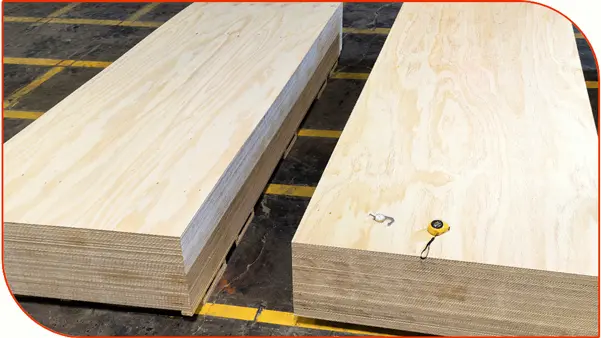
Commercial Plywood Basics and Features
Commercial plywood consists of multiple veneer layers bonded together. Manufacturers stack these layers in alternating grain directions. This construction provides strength and stability. The resulting panel performs well in various applications.
The grading system classifies commercial plywood quality. Grades range from A to D. A-grade panels feature clean, smooth surfaces. B-grade allows minor natural imperfections. These grades serve different project needs effectively.
Different wood species produce different characteristics. Hardwood species offer durability. Softwood species provide cost efficiency. Choosing the right species matters for specific applications.
Key Applications in Building Projects
Commercial plywood appears throughout construction projects. Wall sheathing represents a common application. The panels provide structural support. They also create a solid base for cladding materials.
Furniture manufacturing relies heavily on commercial plywood. Cabinet makers appreciate its workability. The material cuts and shapes easily. This versatility supports custom designs.
Interior decoration uses commercial plywood extensively. Ceiling panels benefit from its appearance. Wall panels create attractive surfaces. The material serves both functional and aesthetic purposes.
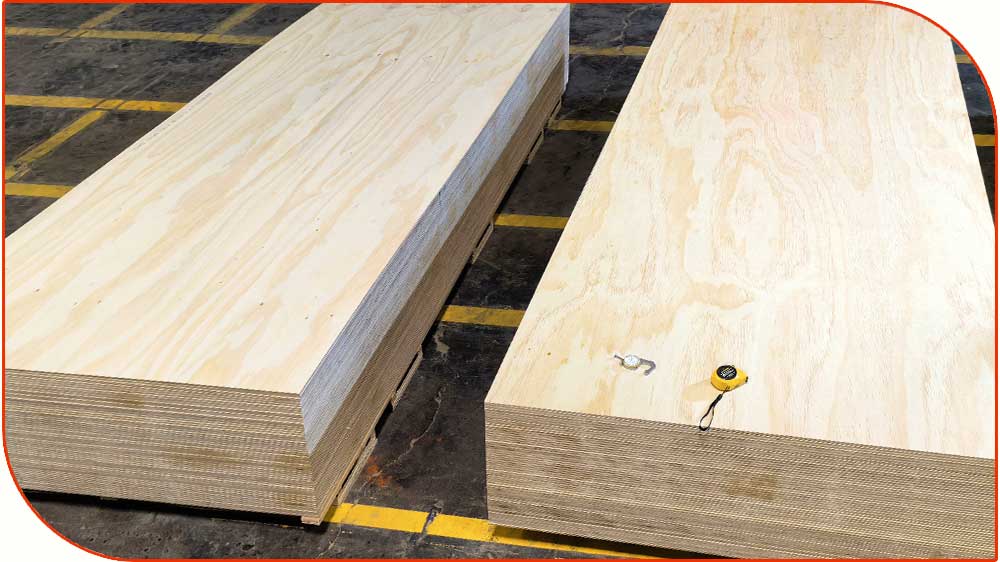
Commercial Plywood Technical Specifications
Thickness options cover standard ranges. Common thicknesses include 3mm to 18mm. Thicker panels provide greater strength. Thinner panels offer flexibility for certain uses.
Sheet sizes typically follow standard dimensions. 1220x2440mm represents the most common size. Some markets use 1250x2500mm panels. Custom sizes help meet specific project requirements.
Bond quality determines panel performance. E1 and E2 classifications indicate formaldehyde emissions. These standards ensure safe indoor use. Manufacturers must meet specific requirements.
Benefits forBuilders and Contractors
Cost effectiveness makes commercial plywood popular. The material delivers good performance at reasonable prices. This value supports budget-conscious projects. Contractors appreciate the affordable quality.
Workability simplifies installation significantly. The material cuts cleanly with standard tools. Fastening holds securely. These features speed construction timelines.
Availability ensures project continuity. Suppliers stock common grades consistently. This reliability prevents delays. Contractors can depend on steady supply.
Why Choose ROCPLEX Commercial Plywood
ROCPLEX has supplied commercial plywood for over 33 years. The company maintains strict quality controls. Each panel undergoes inspection. This attention ensures reliable products.
The manufacturer offers diverse product options. Various grades and species meet different needs. This variety helps customers find suitable panels. The selection supports many applications.
Technical support assists with specification selection. Their team helps choose appropriate products. This guidance prevents costly mistakes. Customers value this expertise.
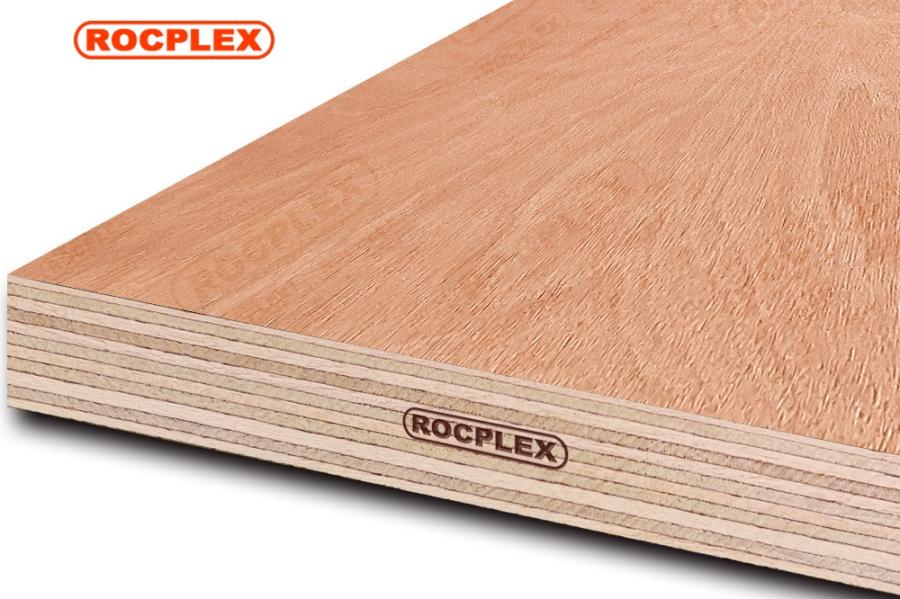
Commercial Plywood Quality Standards
International standards ensure consistent quality. ISO certification indicates manufacturing competence. These standards cover thickness tolerance. They also address bonding strength.
National standards vary by market. European standards differ from Asian requirements. Suppliers must understand these differences. ROCPLEX adapts products accordingly.
Third-party testing verifies performance claims. Independent laboratories provide objective assessment. This verification builds customer confidence. Quality manufacturers welcome these tests.
Sustainability and Environmental Responsibility
Responsible sourcing protects forest resources. Certified suppliers use sustainable materials. This practice addresses environmental concerns. Many projects now require documented sourcing.
Manufacturing efficiency reduces waste significantly. Modern facilities maximize material yield. This optimization benefits the environment. The industry continues improving processes.
Recycling programs accept end-of-life panels. Wood components can enter new products. This diversion reduces landfill impact. Sustainable solutions gain market acceptance.
Commercial Plywood Installation Tips
Proper storage protects panels before use. Keep materials dry and flat. Stacking on supports prevents warping. These practices ensure optimal performance.
Acclimation allows adjustment to site conditions. Panels should rest before installation. This step prevents dimensional changes. Proper timing matters for quality results.
Fastening requirements depend on application. Follow manufacturer guidelines closely. Appropriate spacing prevents problems. Secure attachment ensures long-term performance.
Selecting the Right Supplier
Quality consistency indicates reliable production. Look for established manufacturers. Their track record demonstrates competence. Experience matters for consistent products.
Competitive pricing affects project budgets. Compare options carefully. Consider total value, not just price. Quality differences impact long-term costs.
Logistics capabilities ensure timely delivery. The supplier should meet schedule requirements. This reliability supports project success. Choose partners who deliver consistently.
Conclusion
Commercial plywood provides exceptional versatility for many applications. The material balances quality and cost effectively. Builders and furniture makers trust this product. Its widespread use reflects proven performance.
ROCPLEX delivers quality commercial plywood worldwide. Their experience spans over three decades. Their global reach serves diverse markets. Contact them to discuss your requirements.
For detailed product information, visit the commercial plywood page. You can also explore LVL beam options for structural needs.
Learn more about international standards at ISO. Discover sustainable forestry information at FSC.
Understanding Plywood Grades and Quality
Grade classification helps buyers select appropriate panels. A-grade represents the highest quality surface. This grade features minimal defects. It suits visible applications perfectly.
B-grade allows small knots and discolorations. These imperfections do not affect structural integrity. This grade works well for painting. Cost savings make it popular.
C and D grades accept increasing defects. However, they maintain structural performance. These grades suit sheathing applications. Budget projects benefit from these options.
Commercial Plywood in Modern Construction
Modern construction increasingly relies on engineered wood. Commercial plywood provides reliable performance. The material meets diverse structural needs. Its versatility supports innovative designs.
Roof sheathing uses commercial plywood extensively. The panels support roofing materials effectively. They also provide a work surface. This functionality simplifies construction.
Floor systems benefit from commercial plywood strength. Subfloor applications demand reliable performance. The material handles traffic loads. This durability ensures long-term floors.
Furniture Manufacturing Applications
Cabinet construction represents a major market. Commercial plywood provides stable panels. These panels resist warping effectively. This stability matters for quality furniture.
Table tops benefit from plywood surfaces. The material provides smooth, even work areas. It accepts finishes beautifully. This versatility supports various designs.
Storage units rely on plywood components. Shelving requires strength and stability. Commercial plywood delivers both. This reliability ensures lasting furniture.
Choosing the Right Commercial Plywood
Application requirements determine appropriate selection. Load-bearing uses need thicker panels. Aesthetic applications allow thinner options. Matching specifications to needs matters.
Environmental conditions affect panel performance. Moisture exposure requires appropriate grades. Indoor use allows standard options. Understanding these factors prevents problems.
Budget considerations influence final choice. Quality panels cost more initially. However, they perform better over time. Long-term value often exceeds initial savings.
Cost Analysis and Value
Initial costs vary based on grades and species. Higher grades cost more money. However, they provide better performance. This relationship affects overall project economics.
Labor costs benefit from workability. Easy-to-use materials speed installation. This efficiency reduces labor expenses. The savings offset material costs.
Maintenance requirements impact long-term costs. Quality panels need less attention. This durability reduces replacement needs. Smart buyers consider total costs.
Handling and Storage Best Practices
Proper handling prevents damage during transport. Workers should use appropriate equipment. Lifting techniques protect panels from stress. Careful handling preserves panel quality.
Storage conditions significantly affect panel performance. Dry environments prevent moisture damage. Elevated stacking allows air circulation. These practices maintain quality.
Inspection before use identifies existing problems. Checking panels before installation matters. Identifying issues early prevents problems. This proactive approach ensures quality results.
Post time: Mar-12-2026