

What Is Flexible Plywood
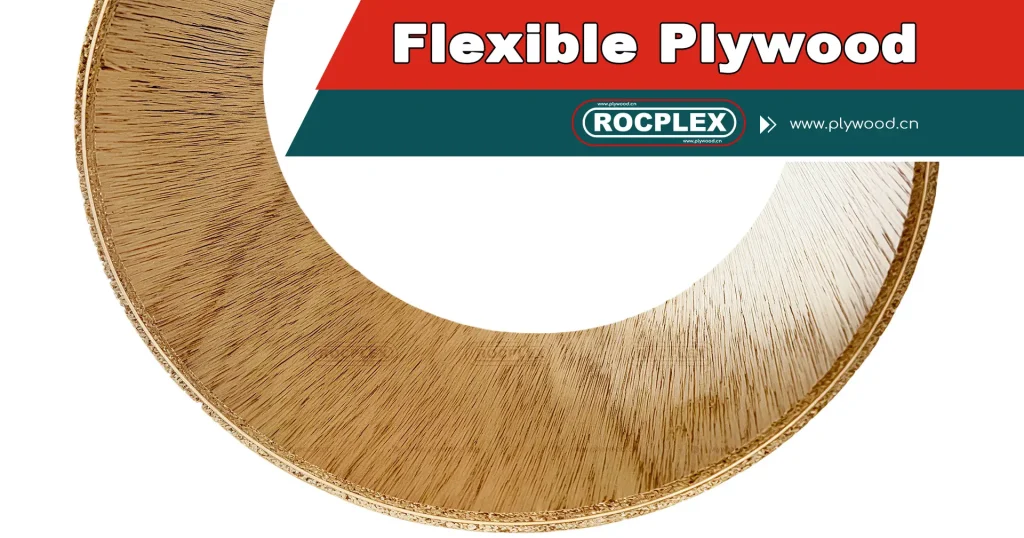
Flexible plywood is a special product. It bends easily for curved projects. This makes it unique. Regular plywood cannot bend this way. The difference is in the construction.
Manufacturers create flexible plywood differently. They use fewer layers. The core stays flexible. This allows bending without breaking. The technology has improved over years.
The layers are specially arranged. This creates flexibility while maintaining strength. Different cores offer different bend rates. Users choose based on their needs.
According to APA The Engineered Wood Association, flexible plywood serves specialized needs. This product fills a gap in the market. Designers love its versatility. The demand grows every year.
The technology improves constantly. New methods create better flexibility. Quality keeps improving. This helps builders and designers achieve their goals.
Key Features of Flexible Plywood
Flexible plywood has special features. Here are the main benefits. Each feature matters for specific projects.
- Bendability is the main feature. It curves easily. This creates unique designs. Architects appreciate this.
- Strength remains despite bending. The panel stays durable. This is important for furniture.
- Light Weight helps installation. Workers handle it easily. This saves labor time.
- Easy Cutting works with standard tools. No special equipment needed. This reduces costs significantly.
- Smooth Surface accepts finishes well. Paint and stain look great. The result is beautiful.
- Versatility allows many uses. From furniture to architecture. This expands design options greatly.
- Cost Efficiency saves money. Less waste results. Projects stay on budget.
These features make flexible plywood valuable. Designers use it for creative projects. The benefits are clear. Every project can benefit.

Types of Flexible Plywood
There are different types available. Each type serves specific purposes. Choose based on your project needs. Consider all options.
- Single Side Flexible bends on one side. This works for certain curves. The other side stays rigid. Good for simple curves.
- Double Side Flexible bends both directions. This creates complex shapes. More versatile options available.
- Curved Panels come pre-formed. These are ready to install. Less work for builders.
- Flexible MDF bends very easily. Very smooth surface. Great for interior design projects.
- Flexible OSB provides strength. Good for structural curves. Budget friendly option.
- Radiata Pine Flexible is lightweight. Easy to work with. Popular choice.
- Poplar Flexible offers good bend. Light weight helps. Good value option.
Each type has specific uses. Match your choice to project requirements. This ensures best results. Quality matters for success.
Common Applications
Flexible plywood serves many purposes. Here are the main applications. Each use shows unique benefits. The versatility impresses everyone.
- Curved Furniture uses flexible plywood. Chairs and tables get curved legs. This adds style to pieces.
- Architectural Elements need curves. Columns and arches use it. Buildings become more interesting.
- Store Fixtures benefit from curves. Displays catch attention. Retail spaces improve significantly.
- Boat Interiors use flexible plywood. Curves fit boat shapes perfectly. Marine applications need it.
- Automotive uses it for panels. Vehicle interiors get curves. Comfort improves dramatically.
- Stage Sets need curved surfaces. Theater productions use it. Sets become more realistic.
- Cabinet Doors get curved shapes. Kitchens become more interesting. Design options expand.
- Wall Panels use curves. Rooms become dynamic. Spaces feel more interesting.
The applications keep expanding. Designers find new uses constantly. This drives demand higher every year.
Selecting Flexible Plywood
Choosing the right product matters. Here are key factors to consider. Make smart decisions for your project. Success depends on selection.
- Curvature Radius determines flexibility. Tight curves need more flexible panels. Check the radius required first.
- Thickness affects bending ability. Thinner panels bend easier. Balance strength and flexibility carefully.
- Surface Quality matters for finishing. Some panels are smoother. Choose based on final appearance.
- Core Type changes flexibility. Different cores bend differently. Test samples before buying.
- Intended Use guides selection. Furniture needs different specs than architecture. Match to your requirements.
- Budget affects choice. Balance cost with quality needs. Value matters more than price.
Consider all factors together. This helps choose the best product. Your project will benefit from right selection.
Working With Flexible Plywood
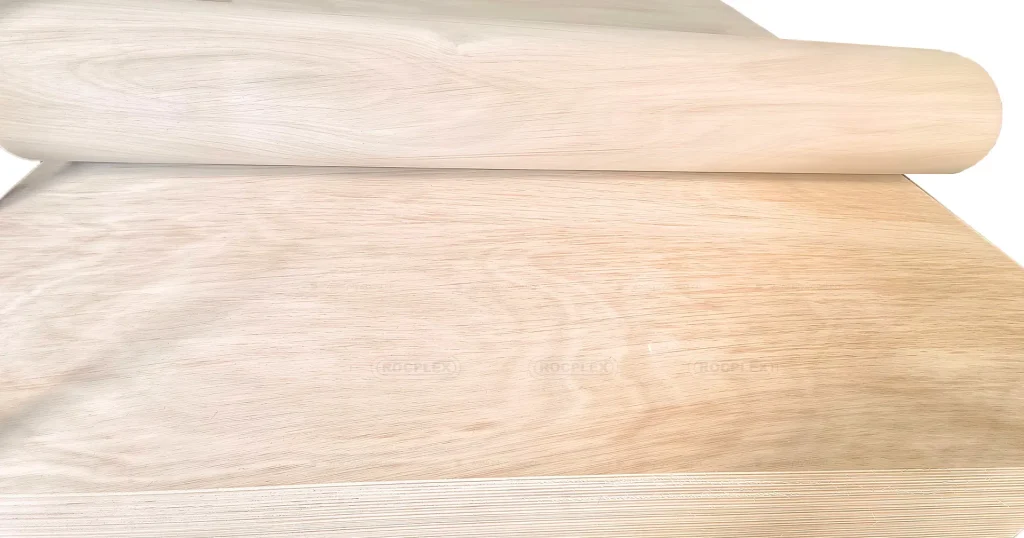
Flexible plywood needs special handling. Follow these tips for best results. Good technique ensures quality work. Quality follows proper practice.
- Conditioning helps bending. Let panels adjust to room temperature. This improves flexibility dramatically.
- Scoring allows tighter curves. Cut shallow lines on inside curve. This prevents cracking effectively.
- Steaming increases flexibility. Steam the wood before bending. This makes bending easier.
- Securing holds curves in place. Use clamps while glue dries. This maintains shape properly.
- Finishing protects the surface. Seal all edges. This extends panel life significantly.
- Patience matters for curves. Rushing causes problems. Take time for best results.
Take time to learn proper technique. Quality results follow good practice. Patience matters for curves. Success follows careful work.
Flexible Plywood from ROCPLEX
ROCPLEX offers quality flexible plywood. We serve customers worldwide. Every panel meets quality standards. Quality is our priority.
We provide different flexibility levels. Our team helps you choose right. We answer all questions quickly. Support is always available.
We also offer related products. Birch Plywood provides strength. Marine Plywood handles wet conditions. MDF offers smooth surfaces. We have products for every need.
Contact us for quotes. Our team responds quickly. We ship worldwide. Quality guaranteed on every order.
Cost Considerations
Flexible plywood costs vary. Understanding pricing helps budgeting. Make smart financial decisions for projects. Value matters most.
- Single side flexible is more affordable. Good for simple curves. Budget friendly option.
- Double side flexible costs more. Worth it for complex shapes. Better results justify cost.
- Pre-curved panels save labor. Higher material cost may pay off. Time savings matter.
- Quality affects price. Higher grades cost more but perform better. Value increases over time.
- Bulk orders reduce costs. Large projects benefit from wholesale pricing. Ask about discounts.
Consider total project cost. Include material and labor. Sometimes spending more saves money later. Quality matters for curves.
Design Tips
Flexible plywood enables creative designs. Here are tips for designers. Use these ideas for better projects. Results will impress clients.
- Plan curves before cutting. This prevents mistakes. Templates help significantly.
- Combine straight and curved sections. This creates visual interest. Contrast adds drama to spaces.
- Use curves to guide movement. People follow curved paths naturally. Design flows better with curves.
- Consider lighting with curves. Shadows add depth to surfaces. Surfaces become more interesting.
- Think about function first. Curves should serve purpose. Beauty follows function.
Think about the final appearance. Curves should serve a purpose. Function and beauty work together. Success follows good planning.
Maintenance Tips
Good care extends panel life. Follow these simple steps. Regular maintenance matters for value. Prevention is key.
- Keep panels dry. Moisture causes problems. Store in dry areas.
- Seal edges properly. This prevents moisture absorption. Protection matters.
- Avoid excessive bending. Panels can fatigue. Know the limits.
- Inspect regularly. Check for cracks. Fix issues early.
These practices extend panel life. Your investment lasts longer. Value increases with proper care.
What to Consider
Flexible plywood opens design possibilities. It creates curves that regular plywood cannot achieve. This expands what builders can do. The potential is enormous.
Choose the right type for your project. Consider curvature requirements and strength needs. Balance flexibility with durability. Success follows good choices.
Work with trusted suppliers. ROCPLEX provides quality flexible plywood. We help you find the right product. Your success matters to us. We support every project.
Flexible Plywood
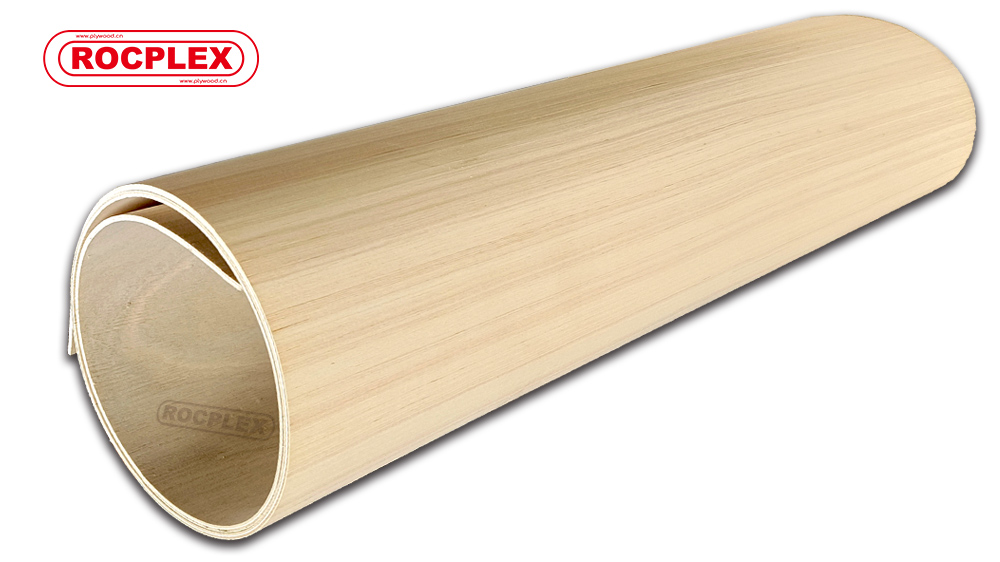
ROCPLEX flexible plywood size includes standard 2440×1220 mm (4×8 ft) bendable sheets in 2 mm, 3 mm, 5 mm, 6 mm, 8 mm, and 9 mm thicknesses, available in both long‑grain and cross‑grain configurations, AA grade for curved furniture, arches, and architectural paneling applications.
Post time: Apr-13-2026