

A slab pour rarely fails because the drawing looked wrong. More often, trouble starts when the support system does not behave the way the crew expected. A beam deflects more than planned. The deck line feels uneven. Stripping takes longer. That is where the right formwork beam stops being a simple accessory and becomes a job critical decision. On ROCPLEX, H20 slab formwork beams are presented as engineered beams built for structural strength, dimensional accuracy, stable support, and long life across construction cycles.
This keyword has strong commercial value because the searcher is usually comparing support systems, not browsing for general information. A contractor may want faster slab cycles. A distributor may want a dependable beam line with repeat demand. An importer may want a product that fits modern slab formwork systems and can be sold together with film faced plywood, LVL beams, or other formwork materials. ROCPLEX supports that buying path by placing H20 beams inside a wider formwork family.
A formwork beam earns its place only when the slab load builds
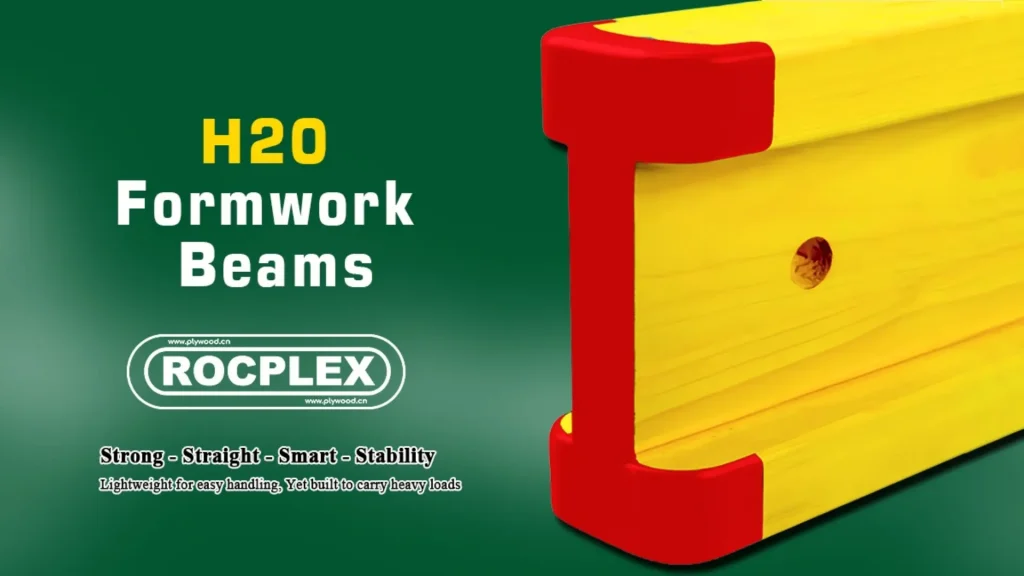
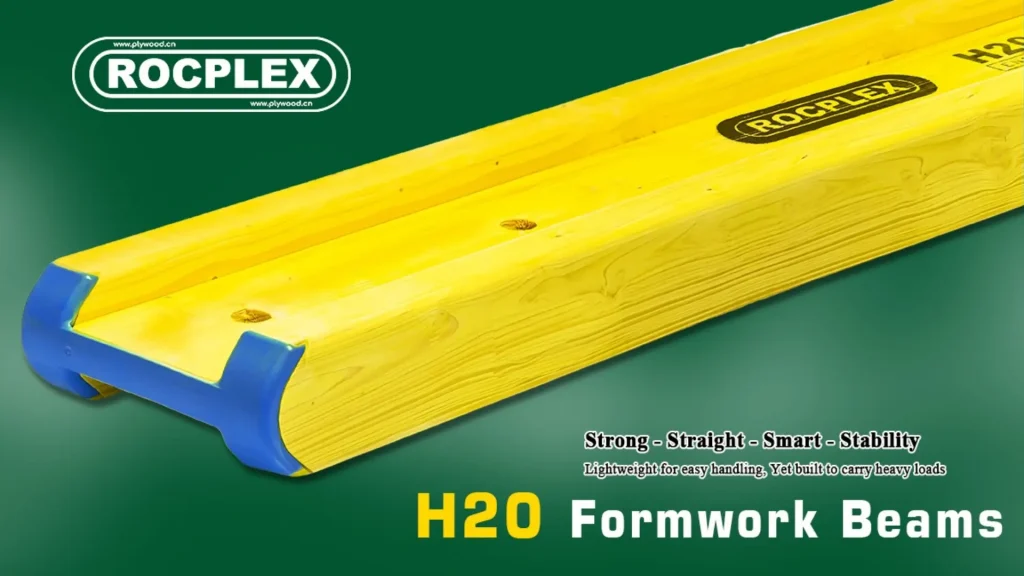
A beam in slab formwork does more than hold up plywood. It helps keep the support grid stable, transfers load through the system, and reduces the chance of excessive movement while concrete is placed. The ROCPLEX H20 beam pages describe beams built from spruce or pine flanges with a 3 ply finger jointed web, plus a yellow waterproof coating and blue plastic capped ends. Those features matter because slab formwork is hard on beams. Moisture, handling, repeated stripping, and jobsite impact all affect working life.
This is why the beam name alone is not enough. Buyers often ask for an H20 beam as if all H20 beams perform the same. However, the product build, production control, and dimensional consistency all affect the result on site. ROCPLEX explicitly links its H20 route to strength, reusability, and cost efficiency in modern slab formwork systems. That means the beam is being sold on total job value, not only on section size.
The best formwork beam choice starts with the slab system not the beam label
Buyers often begin with the beam type, but the better starting point is the slab system. A beam for a fast cycle residential slab program may not be judged the same way as a beam for a larger commercial deck. ROCPLEX reflects this system logic clearly. The H20 beam pages sit next to Formwork Plywood, LVL Formwork Beams, PP Plastic Plywood, and Yellow Formwork Panel pages. That structure suggests the site expects buyers to think in packages: beams, panels, and support products working together.
This is also where search intent becomes conversion intent. A buyer looking for a formwork beam often needs more than beams. They may also need film faced plywood for the deck face, LVL beams for another support route, or yellow formwork panels for a different handling preference. A site that lets the reader move across those routes has a better chance of turning traffic into a useful enquiry.
| Route | Best fit | Main strength | Why buyers choose it |
|---|---|---|---|
| H20 slab formwork beam | slab systems with repeated cycle use | consistent section, reusable beam format | balance of support, handling, and repeat value |
| LVL formwork beam | projects that want engineered timber performance | strength and durability in concrete formwork | buyers who want an engineered beam route linked to AS NZS language |
| Film faced plywood plus support system | deck face and slab surface route | smooth concrete forming surface | paired with beams for full slab setup |
| Yellow formwork panel systems | crews that value tough coated panel handling | stable daily formwork performance | used when panel handling style shapes buying choice |
Formwork beam build affects labor more than many buyers expect
A beam decision changes more than load capacity. It changes setup speed, alignment confidence, and the feel of the deck under work. ROCPLEX markets H20 beams as a way to reduce project delays and improve slab quality. That claim matters because small variations in beam quality can create larger delays in slab work. If the beam line is inconsistent, crews spend more time adjusting supports and correcting the working surface before concrete even arrives.
The same principle appears in the site’s broader formwork content. ROCPLEX places H20 beams beside formwork plywood and plastic faced options because the real value sits in the whole system. A good beam helps the deck face perform better. A poor beam can weaken the value of an otherwise good panel. So the right question is not just how much one beam costs. It is how the beam helps the whole slab system work faster and more cleanly.
A cheap beam can become an expensive support choice when slab setup slows down and rework starts to grow.
Formwork beam standards matter because buyers need a safer decision path
ROCPLEX says its H20 beams meet EN 13377 standards. That is a useful signal because EN 13377 is the European standard for prefabricated timber formwork beams. The standard covers classification, requirements, assessment procedures, and production control requirements for prefabricated timber formwork beams used in falsework and formwork, loaded in the direction of beam depth. It also describes glued I shaped construction with common beam depths including 160 mm, 200 mm, and 240 mm.
The wider design context also matters. EN 12812 covers performance requirements and general design methods for falsework and notes that it does not provide information about the use of some standardized products, including beams conforming to EN 13377. That distinction helps buyers understand the difference between a product standard for the beam itself and the wider design standard for the falsework system around it. It is a useful commercial point because serious buyers often need both product credibility and system thinking.
Useful reference sources: EN 13377, EN 12812, and APA engineered wood resources.
A strong formwork beam enquiry is short but detailed
The weakest enquiry asks only for H20 beam price. A stronger one explains the slab job. ROCPLEX site structure already supports this approach because H20 beams, formwork plywood, LVL beams, and other support materials sit within one product family, while the About page positions ROC as a formwork materials supplier serving global wholesalers and construction sites. That means buyers can ask for more than a single item quote. They can ask for a slab support solution.
- state the slab application first
- state beam length and quantity
- state the target market
- state whether EN 13377 alignment is required
- state whether the enquiry also includes deck panels
- state expected reuse level
- state destination port or delivery city
That kind of brief helps the supplier quote faster and more accurately. It also helps the buyer avoid weak comparisons against offers that do not include the same beam build or the same system context. For a distributor or contractor, that can be the difference between a simple beam quote and a full formwork package order.
Buyers who want a broader sourcing path can move from H20 Slab Formwork Beams to Formwork Plywood, LVL Formwork Beams, and About Us without leaving the site. That helps both enquiry quality and internal link strength.
Formwork beam questions buyers ask first
What is a formwork beam used for
A formwork beam supports slab formwork systems and helps carry load through the temporary support structure while concrete is placed and cured.
What is an H20 formwork beam
It is a prefabricated timber beam commonly used in slab formwork systems. On ROCPLEX , ROCPLEX describes its H20 beams as spruce or pine flange beams with a 3 ply finger jointed web, waterproof coating, and EN 13377 alignment.
When should I compare H20 beams with LVL formwork beams
Compare them when the project is evaluating different engineered timber support routes, market standards, or durability preferences within a concrete formwork system.
What should I include in the first quote request
Send the slab use, beam length, quantity, target market, expected reuse level, and whether the order also includes deck panels or other formwork items.
The best next step is to quote the slab system not only the beam
A page built around formwork beam should not end with a vague sales line. It should guide the buyer toward a better purchase method. Start with the slab plan. Then match the beam route to the support design, handling needs, and expected cycle life. After that, compare price. Buyers who follow that order usually make better decisions, and suppliers who answer that way usually win better orders.
On ROCPLEX , the strongest next path is to start with H20 Slab Formwork Beams, then compare Formwork Plywood, LVL Formwork Beams, and related panel routes before sending a quote brief. That path mirrors the way real slab work is planned, and it gives the visitor a stronger reason to turn search traffic into a useful enquiry.
H20 Slab Formwork Beams
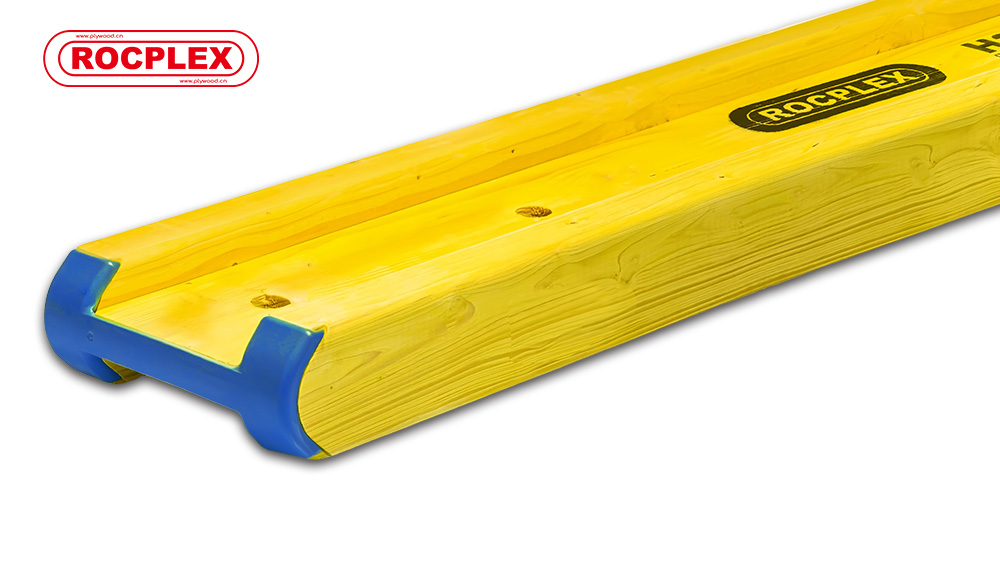
ROCPLEX H20 slab formwork beams are designed for efficient concrete slab construction, featuring spruce/pine flanges and 3-ply finger-jointed webs, meeting EN 13377 standards. With yellow waterproof coating and distinctive blue plastic-capped ends, these beams provide strength, reusability, and cost-efficiency for modern slab formwork systems.
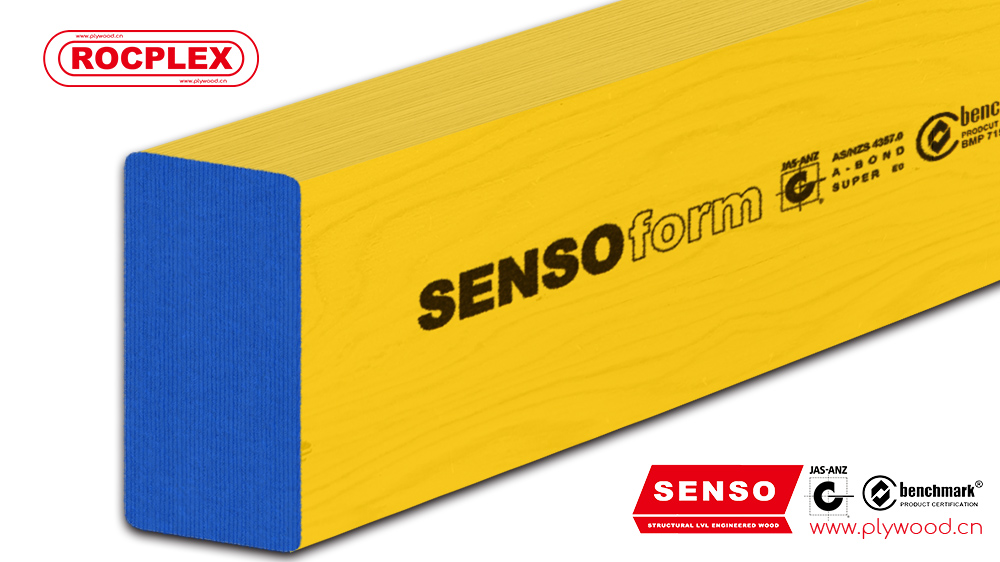
Formwork LVL Beams – SENSOform
SENSO formwork LVL beams, produced with certified laminated veneer lumber technology, offer superior strength and durability for concrete formwork applications, including slab formwork, wall formwork, and structural shuttering. The yellow coating and blue end caps ensure easy identification and moisture resistance.
Post time: Apr-24-2026