
LVL Laminated Veneer Lumber for Structural Construction
LVL laminated veneer lumber has become essential in modern construction. This engineered wood product delivers exceptional strength. Builders choose LVL for structural applications worldwide. The material provides reliable performance in demanding projects.
What Is LVL Laminated Veneer Lumber
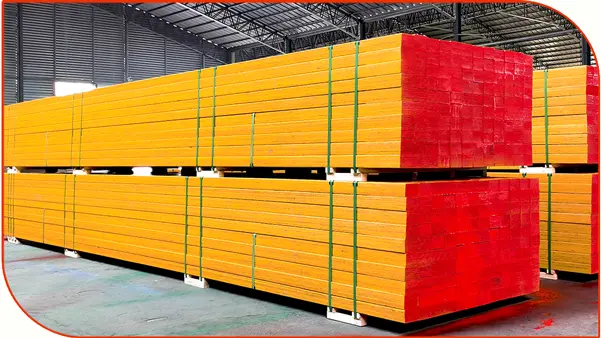
LVL consists of thin wood veneers bonded together. Manufacturers stack these layers in the same direction. This process creates a strong, uniform product. The resulting material outperforms traditional solid wood.
The production process uses heat and pressure. Strong adhesives bond each layer securely. This method eliminates natural defects found in solid lumber. Therefore, LVL offers consistent quality throughout.
Different grades serve various applications. Structural LVL carries heavy loads. This capability makes it ideal for beams and headers. Engineers specify LVL for critical structural members.
Key Benefits for Construction Projects
LVL offers remarkable strength-to-weight ratio. This characteristic reduces structural member sizes. Consequently, architects gain design flexibility. The material also simplifies installation.
Dimension stability sets LVL apart. It resists warping and twisting effectively. This stability ensures long-term performance. Buildings maintain their structural integrity.
Furthermore, LVL provides reliable consistent quality. Each piece meets exact specifications. This predictability simplifies construction planning. Contractors appreciate the reliability.
Primary LVL Applications in Building
LVL beams serve as primary structural members. They span long distances effectively. The material handles heavy loads reliably. This capability enables open floor plans.
Window and door headers benefit from LVL strength. These openings require additional support. LVL provides that support efficiently. The product resists sagging over time.
Floor joists represent another common application. LVL joists provide consistent, strong floors. They reduce bounce and deflection significantly. Homeowners enjoy comfortable, quiet living spaces.
LVL Technical Specifications and Standards
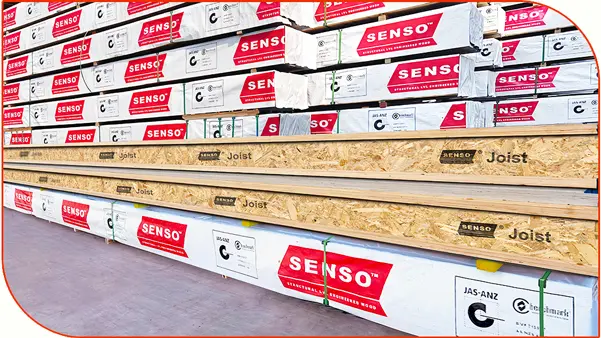
LVL products meet strict industry standards. The American National Standards Institute sets benchmarks. These standards ensure consistent performance. Manufacturers must meet specific requirements.
Thickness options range from 1.5 inches to 3.5 inches. Width options include 9.25 inches to 18 inches. These dimensions accommodate various structural needs. Engineers select appropriate sizes based on loads.
Span tables guide proper specification. These tables show allowable spans. They consider species, grade, and load conditions. Proper specification ensures safe, economical designs.
Why Builders Choose ROCPLEX LVL
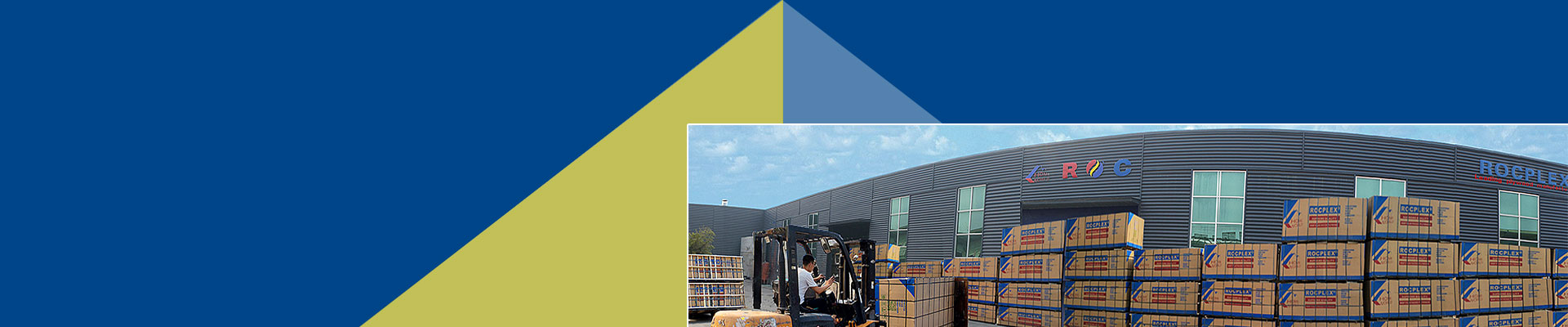
ROCPLEX has supplied LVL for over 33 years. The company maintains strict quality controls. Each piece undergoes thorough inspection. This attention ensures reliable performance.
The manufacturer sources raw materials carefully. Sustainable forestry practices protect natural resources. This commitment addresses environmental concerns. Many projects require responsible sourcing.
Additionally, ROCPLEX offers comprehensive technical support. Their team helps with specification selection. This assistance prevents costly errors. Contractors value this expertise.
LVL Cost Effectiveness Analysis
Initial costs of LVL may exceed solid wood. However, long-term benefits offset this difference. Reduced installation time saves labor costs. The material requires less on-site modification.
Lower maintenance requirements add to savings. LVL resists common problems effectively. This durability reduces repair needs. Building owners appreciate this advantage.
Design flexibility often reduces overall costs. Longer spans mean fewer support columns. This optimization improves usable space. The project benefits financially.
Sustainability and Environmental Benefits
LVL uses resources efficiently. The manufacturing process maximizes wood fiber yield. This efficiency reduces waste significantly. The industry continues improving processes.
Renewable wood fiber comes from managed forests. These forests replant harvested areas. The cycle supports long-term sustainability. Environmental certification verifies these practices.
Furthermore, wood stores carbon dioxide. This benefit helps address climate concerns. Using LVL supports green building goals. Many certification systems reward this choice.
LVL Installation Best Practices
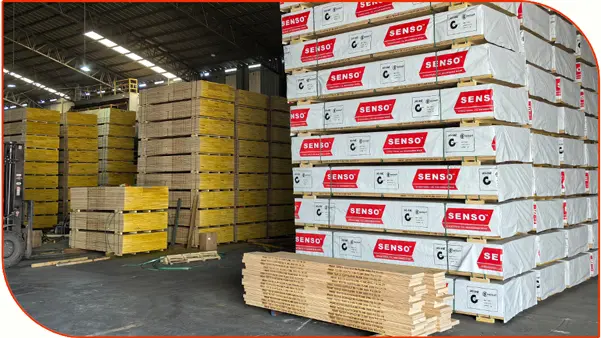
Proper storage protects LVL before installation. Keep materials dry and covered. Stack panels flat on supports. These practices prevent damage.
Follow manufacturer installation guidelines closely. Use appropriate fasteners and connectors. This attention ensures structural performance. Inspections verify proper installation.
Coordinate with other trades during installation. Proper sequencing prevents conflicts. This planning improves construction efficiency. Projects stay on schedule.
Selecting the Right LVL Supplier
Quality certification indicates reliable products. Look for third-party testing verification. This certification provides confidence. Trustworthy suppliers display these credentials.
Production capacity matters for large projects. The manufacturer should meet volume needs. ROCPLEX has significant production capabilities. Their facility handles major orders.
Technical support adds significant value. Expert guidance helps with selection. This assistance prevents specification errors. Good suppliers provide this service.
LVL Quality Control and Testing
Manufacturers implement rigorous testing protocols. Each production batch undergoes verification. This testing ensures consistent performance. Customers receive reliable products.
Physical testing measures strength properties. Bend tests verify structural capacity. This verification confirms specification compliance. Quality products pass these tests.
Third-party inspection provides additional confidence. Independent laboratories offer objective assessment. This verification builds customer trust. Reputable manufacturers welcome these inspections.
LVL Handling and Storage Guidelines
Proper handling protects LVL during construction. Workers should avoid dropping or impact. These impacts can damage structural fibers. Careful handling preserves structural integrity.
Storage in dry conditions prevents moisture damage. Keep materials covered and elevated. This protection ensures performance at installation. The investment in protection pays off.
Inspection before installation identifies problems. Check each piece for damage. Remove any compromised material. This step prevents structural issues later.
Conclusion
LVL laminated veneer lumber provides exceptional value. The material offers strength, stability, and consistency. These benefits make it ideal for structural applications. Builders worldwide trust this engineered wood product.
ROCPLEX delivers quality LVL products. Their experience spans over three decades. Their global customer base indicates reliability. Contact them to discuss project requirements.
For detailed product information, visit the LVL product page. You can also explore formwork solutions for additional options.
Learn more about international standards at ISO. Discover sustainable forestry information at FSC.
Post time: Mar-12-2026