

MDF Board for Furniture and Construction
MDF board has become one of the most popular materials in modern manufacturing. This engineered wood product offers exceptional versatility. Furniture makers and construction professionals rely on MDF board worldwide. The material provides excellent performance at competitive prices.
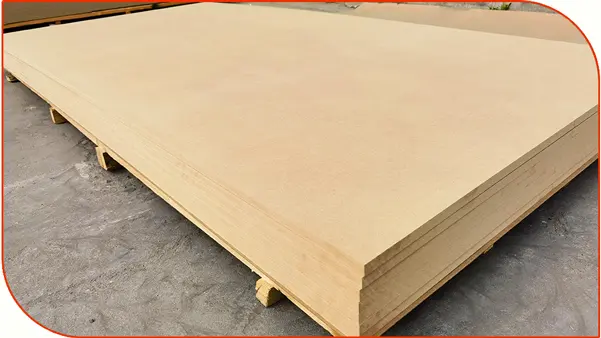
MDF Board Features and Benefits
MDF board consists of fine wood fibers bonded together. The manufacturing process uses heat and pressure. This method creates a smooth, uniform surface. The resulting material works beautifully for finishing.
The homogeneous structure eliminates grain patterns. This characteristic ensures consistent paint application. The surface accepts coatings evenly. This feature saves finishing time significantly.
MDF board offers excellent machining properties. The material cuts and shapes cleanly. Complex designs become achievable. This versatility supports creative applications.
MDF Board in Furniture Manufacturing
Furniture production represents the largest MDF board market. Cabinet makers use this material extensively. The smooth surface creates beautiful finishes. This advantage makes MDF ideal for modern furniture.
Cabinet doors benefit from MDF board properties. The material holds hinges securely. This capability ensures long-lasting performance. Homeowners appreciate durable results.
Table tops use MDF board commonly. The surface provides excellent foundation for laminates. This combination delivers attractive and durable surfaces. The material handles daily use effectively.
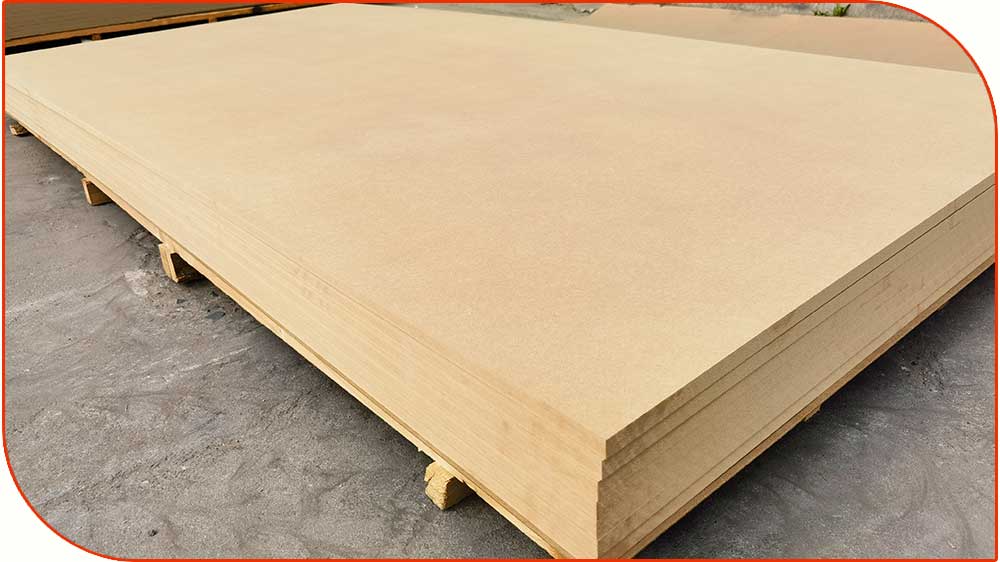
MDF Board Technical Specifications
Thickness options range from 2mm to 25mm. Standard thicknesses suit most applications. Thicker panels provide greater stability. Selection depends on specific requirements.
Density affects MDF board performance. Standard grades typically range from 600 to 800 kg/m3. Higher density offers greater strength. This characteristic suits demanding applications.
Moisture resistance varies between products. Standard MDF suits indoor applications. Moisture-resistant grades handle damp environments. Understanding specifications prevents problems.
MDF Board for Construction Applications
Interior construction uses MDF board extensively. Wall paneling benefits from its smooth surface. The material creates attractive interiors. This application serves both residential and commercial projects.
Door skinning represents another common application. MDF board provides excellent substrate. This foundation supports various surface finishes. The result looks professional.
Flooring underlayment uses MDF board properties. The material provides smooth, level surfaces. This capability supports successful flooring installation. Contractors appreciate this reliability.
MDF Board Cost Advantages
MDF board offers excellent value for money. The material costs less than solid wood. This affordability expands design possibilities. Budget-conscious projects benefit significantly.
Low waste reduces overall costs. The material machines cleanly. This efficiency minimizes material loss. Projects save money on scrap disposal.
Finishing costs remain low. The smooth surface requires less primer. This reduction speeds completion times. Labor savings add to the value.
Why Choose MDF Board Products
Environmental benefits make MDF board attractive. The material uses wood fibers efficiently. This process maximizes raw material yield. Sustainable manufacturing protects forest resources.
Consistent quality ensures reliable results. Each batch meets strict standards. This reliability simplifies production planning. Manufacturers appreciate predictable performance.
Wide availability ensures project continuity. Suppliers stock standard sizes consistently. This reliability prevents production delays. Contractors depend on steady supply.
MDF Board Installation Guidelines
Proper storage protects MDF board quality. Keep materials in dry environments. This practice prevents moisture absorption. Proper storage extends useful life.
Acclimation allows adjustment to site conditions. Let panels rest before installation. This step ensures dimensional stability. Taking time prevents future problems.
Fastening requires appropriate techniques. Use correct fasteners for thickness. This attention ensures secure attachment. Proper methods maximize performance.
MDF Board Quality Standards
International standards ensure consistent quality. ISO certification indicates manufacturing competence. These standards cover various parameters. Quality manufacturers meet these requirements.
Emission standards address indoor air quality. E1 and E0 classifications indicate safety levels. These ratings ensure healthy indoor environments. Responsible suppliers provide certification.
Third-party testing verifies performance claims. Independent laboratories offer objective assessment. This verification builds customer confidence. Quality products pass these tests.
MDF Board vs Other Materials
MDF board differs from plywood significantly. The homogeneous structure provides different properties. Each material suits specific applications. Understanding differences helps selection.
Solid wood offers natural grain beauty. However, it costs more and varies. MDF board provides consistency. This reliability simplifies manufacturing processes.
Particle board costs less than MDF board. However, it lacks strength and surface quality. MDF board delivers better performance. The value justifies the investment.
Selecting MDF Board Suppliers
Quality consistency indicates reliable production. Established manufacturers maintain strict controls. Their track record demonstrates competence. Experience matters for consistent products.
Competitive pricing affects project budgets. Compare options carefully. Consider total value, not just price. Quality differences impact long-term costs.
Technical support assists with selection. Knowledgeable suppliers help with specifications. This guidance prevents costly mistakes. Good suppliers provide this service.
MDF Board Finishing Tips
Surface preparation ensures beautiful finishes. Sand between layers for smoothness. This step removes imperfections. Proper preparation creates professional results.
Priming seals the surface effectively. Use quality primers designed for MDF. This protection prevents absorption. The coating adheres properly.
Painting requires appropriate techniques. Multiple thin coats work better. This approach prevents drips. Patience creates beautiful surfaces.
Conclusion
MDF board provides exceptional versatility for many applications. The material balances quality and cost effectively. Furniture makers and construction professionals trust this product. Its widespread use reflects proven performance.
ROCPLEX supplies quality MDF board worldwide. Their experience ensures consistent quality. Their global reach serves diverse markets. Contact them for your requirements.
For detailed product information, visit the MDF board page. You can also explore formwork solutions for additional options.
Learn more about international standards at ISO. Discover sustainable forestry information at FSC.
MDF Board Manufacturing Process
The MDF board manufacturing process begins with wood fibers. Manufacturers separate fibers from wood chips. This preparation creates uniform raw material. Quality control starts at this stage.
Resin application follows fiber preparation. The adhesive binds fibers together. This bonding creates panel integrity. The amount affects final properties.
Hot pressing forms final panels. This process compresses fibers into boards. Temperature and pressure control matter greatly. This stage determines panel density.
MDF Board Environmental Benefits
MDF board uses resources efficiently. The manufacturing process maximizes wood fiber yield. This efficiency reduces waste significantly. Sustainable practices protect forests.
Recycling programs accept end-of-life panels. Wood components enter new products. This diversion reduces landfill burden. The industry works toward solutions.
Low-emission adhesives improve indoor air quality. Modern MDF board meets strict standards. This advancement addresses health concerns. Responsible manufacturers offer options.
MDF Board Design Applications
Modern furniture design embraces MDF board versatility. Clean lines become achievable. This material supports contemporary aesthetics. Designers appreciate its workability.
Retail fixtures use MDF board extensively. Store displays require attractive surfaces. This material delivers professional results. The retail industry relies on it.
Event signage benefits from MDF board properties. The surface accepts graphics beautifully. This capability supports branding needs. Trade shows benefit significantly.
MDF Board Maintenance and Care
Cleaning MDF board requires gentle methods. Avoid excessive moisture exposure. Use soft cloths for dusting. This care maintains appearance.
Repairing minor damage is straightforward. Fill with appropriate wood filler. Sand smooth before refinishing. This restoration extends useful life.
Preventing water damage matters greatly. Use coasters and trivets. Address spills promptly. This prevention protects investments.
MDF Board Future Trends
The MDF board industry continues evolving. New technologies improve performance. These advances expand application possibilities. The future looks promising.
Post time: Mar-12-2026