

Choosing the Right Plywood for Your Building Project
I have been in the wood products industry for years now. Every week, someone asks me about plywood choices. They want to know what works best for their situation. Let me share some practical insights.
Building projects succeed or fail based on material choices. That is just how it works. The right plywood can make your project smoother. The wrong choice leads to problems down the track.
What Actually Determines Plywood Quality
People often ask about grades and ratings. Those matter, but there is more to it than that. Let me break down what really affects plywood performance.
The core quality starts with the timber itself. Different species perform differently. Some handle moisture better. Others offer superior strength. The glue used matters too. These factors combine to determine how the plywood will behave in real conditions.
Understanding the Manufacturing Process
Manufacturers bond layers together under pressure and heat. The quality control during this process makes the difference between good plywood and problem plywood. Consistent bonding ensures every sheet performs similarly.
I have seen sheets from different factories side by side. The visual appearance might look similar. But the performance over time shows the quality gap. That is why sourcing from established manufacturers matters.
Applications Where Plywood Really Matters
Different applications demand different characteristics. Here is what works where.
Structural Framing
When plywood serves as structural sheathing, strength becomes the priority. The ability to hold nails securely matters. So does resistance to bending under load. These requirements rule out certain types.
Builders working on wall frames need plywood that stays flat. Warped sheets create problems throughout the build. Nobody wants to discover those issues later.
Concrete Formwork
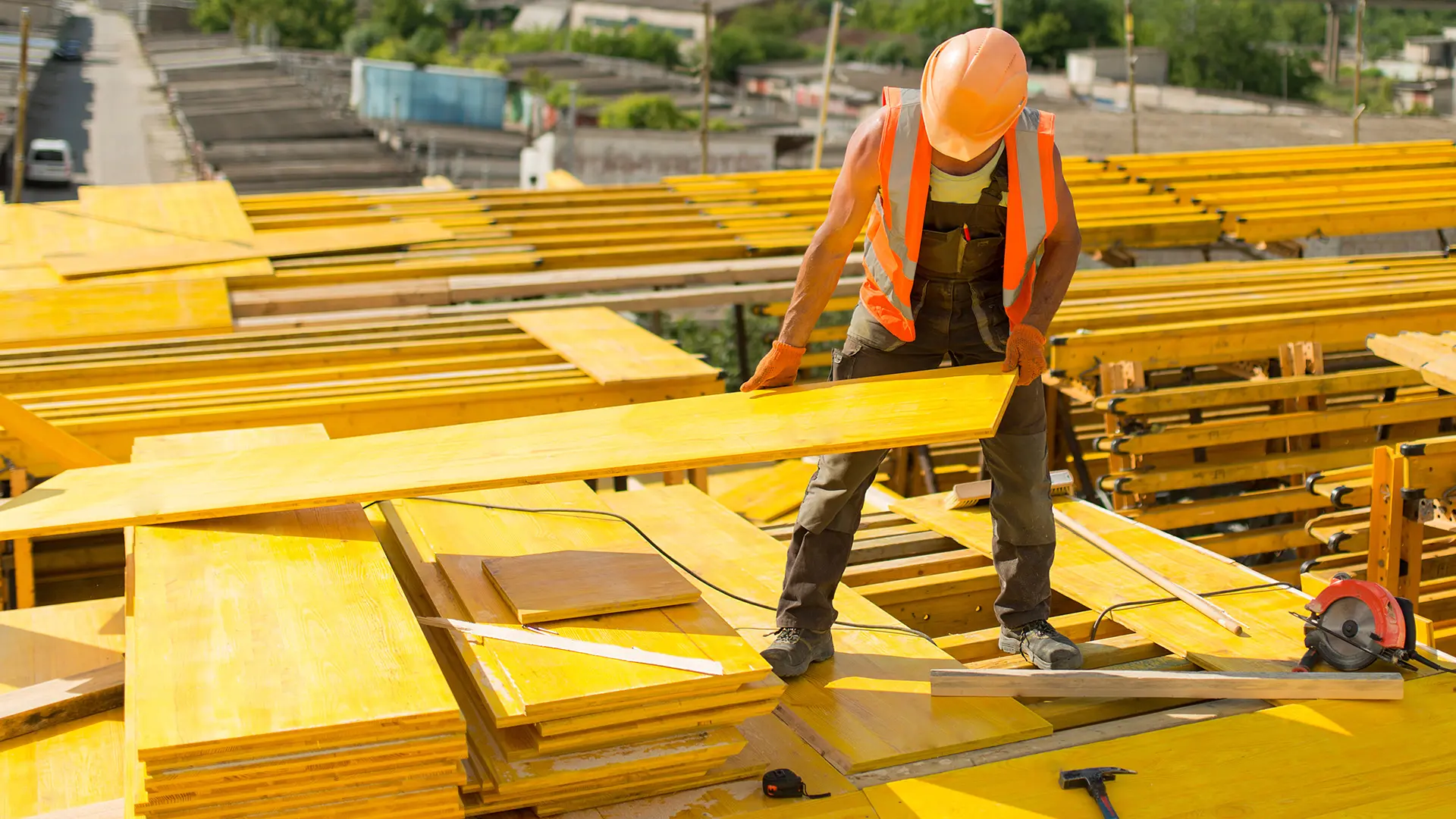
Formwork applications demand different properties. Moisture resistance is critical here. The plywood must survive repeated wetting without delaminating. That is why specific types work for this application.
I have watched crews struggle with inferior formwork. The concrete finish suffers. Time gets lost on repairs. Using proper materials prevents these headaches.
Interior Paneling
For interior work, appearance often takes priority. The surface quality matters. How easily it accepts finish matters too. Different plywood types handle these requirements differently.
The Supplier Question
Where you source plywood affects what you receive. Let me be direct about this.
What Reputable Suppliers Provide
Established suppliers can trace their products back to source. They know where the timber came from. They understand the manufacturing conditions. This accountability matters for quality assurance.
ROCPLY has built relationships with reliable manufacturers. They know the production quality is consistent. Their customers know what to expect.
Technical Knowledge Counts
Good suppliers share knowledge freely. They help you select appropriate products. They warn against unsuitable choices. This guidance prevents expensive mistakes.
When someone describes their project requirements, experienced suppliers ask questions. They want to understand the actual conditions. That leads to better material recommendations.
Making Plywood Last
Proper handling extends plywood useful life significantly. Here is what experienced builders know.
Storage Practices
Keep plywood dry before use. Even moisture-resistant types suffer from prolonged water exposure. Stack sheets flat with supports. This prevents warping that ruins usability.
Cover the stack without sealing completely. Air circulation matters. Plastic wrap creates condensation problems in humid conditions.
On-Site Handling
Move sheets carefully to avoid edge damage. Those corners are vulnerable. Damaged edges compromise the entire sheet integrity.
Use appropriate fasteners for the specific plywood type. Wrong nails or screws split the layers. That defeats the purpose of using quality plywood.
What About Pricing
Everyone wants good value. Here is the realistic picture.
The Real Cost Breakdown
Cheapest is rarely cheapest in the long run. Inferior plywood fails faster. Replacement costs pile up. Labor to handle problems adds more. The initial saving disappears quickly.
Quality plywood from ROCPLY delivers better total cost experience. The slightly higher initial investment pays back through longer service life.
Bulk Purchasing Benefits
Large projects benefit from volume pricing. Suppliers offer better rates for substantial orders. Plan material needs to take advantage of this.
Talk to suppliers about your project timeline. They might offer better pricing for scheduled deliveries.
Wrapping This Up
Choosing plywood well requires understanding your specific needs. Matching requirements to product characteristics leads to success.
For most building projects, quality matters more than finding the cheapest option. The investment in appropriate plywood pays returns through performance and durability.
Take time to discuss your requirements with knowledgeable suppliers. Their expertise helps match products to purposes. That conversation typically saves money despite taking a few minutes.
Quality building materials make construction smoother. That benefits everyone involved in the project.
Post time: Mar-11-2026