

Birch plywood vs marine plywood compares two names that answer different buying questions. Birch names the veneer species, although the order must still state whether the whole panel is birch. Marine plywood needs a named standard and a defined scope of use. Compare the core, bond, face, moisture exposure and design data on their own lines.
A cabinet maker may need a pale face and a clean exposed edge. A boatbuilder may need a panel that meets the marine spec on the drawing. Both buyers can ask for plywood of the same thickness, yet their acceptance criteria differ. A useful quote makes those needs clear before price decides the order.
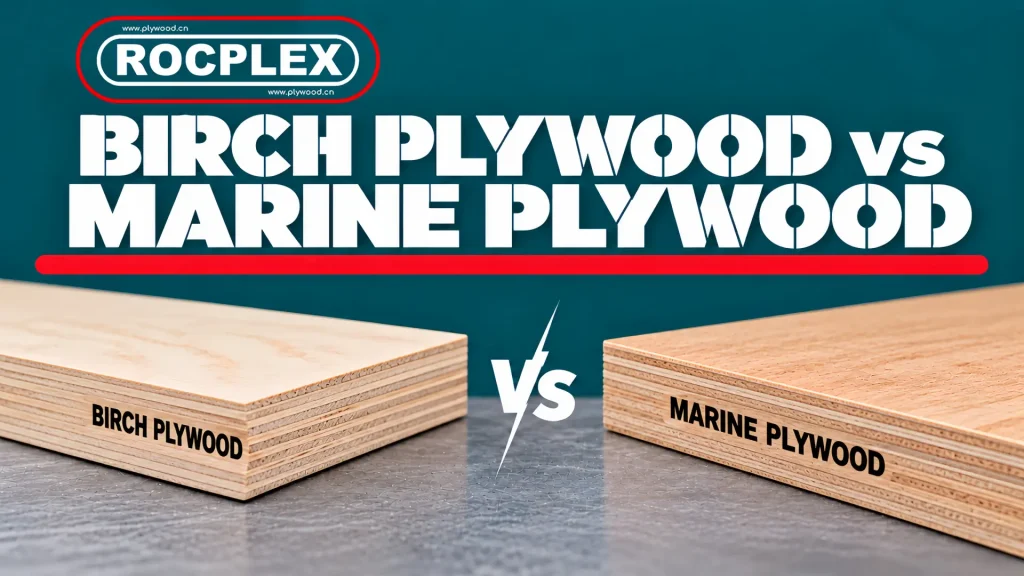
Birch Plywood vs Marine Plywood Starts With Two Different Claims
Consider two hypothetical offers: “full birch plywood, exterior bonded” and “marine plywood to BS 1088:2018.” Neither line gives the complete brief. The first needs a stated bond class, face grade and panel data. The second still needs the species, class, size and proof for the marine claim.
Full birch means birch veneers through the panel. Birch-faced plywood can have other species inside, so ask for the face, back and core on their own lines. UPM describes its WISA birch products as birch from top to bottom. That claim covers those named panels; it is not proof about every panel sold under a birch heading.
BS 1088:2018 sets requirements for standard and lightweight marine plywood. Its scope addresses biological durability and bond strength over time. Other end uses may need more data.
Therefore, a birch label does not prove that it meets a marine grade. Equally, a marine label alone does not state every veneer or give the buyer a face finish. If the project names another marine standard, retain that reference and review its own rules.
A Birch Plywood vs Marine Plywood Evidence Map
Each claim needs a record suited to the question. A face sample can help approve the look; a bond report concerns the tested bond. Keep each record within that scope.
| Claim in the offer | Record to request | What still needs its own check |
|---|---|---|
| Full birch build | Written species schedule for face, back and core | Bond class and marine compliance |
| Exterior bonding | Named bond standard, class and report for the offered panel | Wood decay risk and the full marine spec |
| BS 1088 marine plywood | Standard edition, class and records for the shipped product | End-use design loads and finish needs |
| Selected face grade | Grading rules, agreed defect limits and reference samples | Hidden core quality and load data |
| Suitable for a loaded part | Product-specific design data for its thickness and load direction | Actual span, supports, joints and use |
| Third-party approval | Valid document with product and mill scope | Whether the batch falls within that scope |
For a birch plywood vs marine plywood review, this table helps expose gaps in the brief. It also prevents a strong result in one field from being used to answer a different question.
Next, link the approved records to the product code on the quote. This gives the buyer and supplier the same reference when the order reaches the final checks.
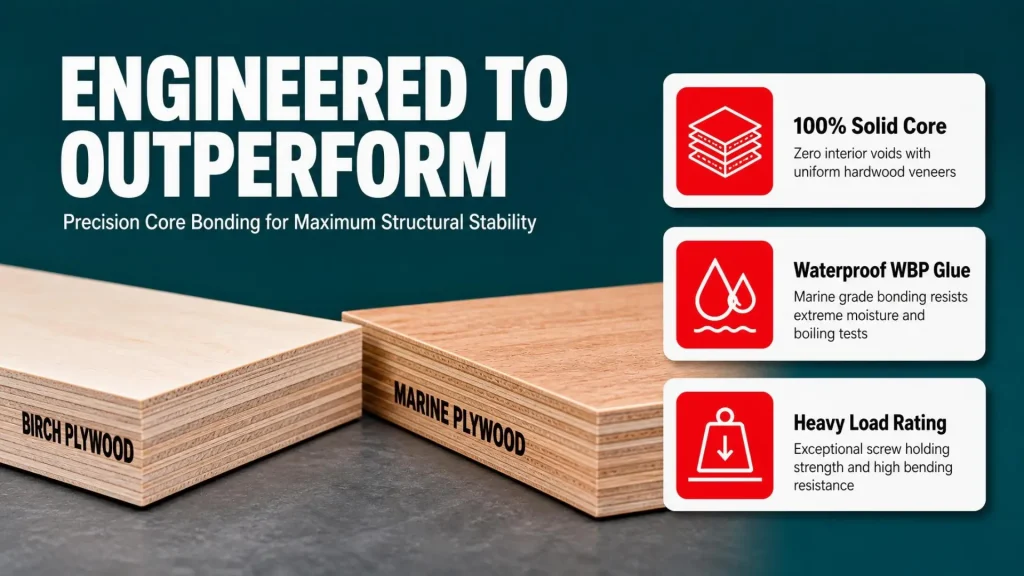
Exterior Bonding Leaves Other Questions Open
An outdoor bond is a useful feature. However, it should be read as a bond claim within the full marine brief.
For example, the Metsä Wood Birch data sheet states phenolic bonding to EN 314-2 Class 3. Joubert Marine Ply also lists Class 3 bonding, alongside its BS 1088:2018 claim. The common bond class does not make those two product specs the same.
When an offer says “WBP,” ask the supplier to name the test standard and needed class. Also confirm which panel, thickness and samples the report covers. A glue trade term leaves too much open if the purchase order requires a named marine standard.
A soak or boil trial can show how its samples respond. Without the named test method, sample setup and pass limits, it does not prove that a panel meets a full standard. Nor does it measure every property needed by the finished boat or cabinet.
We suggest settling the bond requirement first, then checking the other marine rules in their own right. This keeps a birch plywood vs marine plywood choice tied to the complete panel brief.
Moisture Damage Can Start Inside the Wood
When wet plywood opens at an edge, the failure path matters. The wood and the adhesive are different parts of the panel, so a review should locate where the separation occurred.
BSI’s public scope for BS 1088 warns that rapid edge wetting can cause uneven swelling within the core and rupture wood fibres. The result can resemble delamination. This is a reason to check the failed section closely; it does not excuse a defective bond.
Record the wetting history, edge treatment, affected area and failure location. Also keep pieces from damaged and sound areas for review. If the bond claim is in dispute, use the agreed test method and a lab suited to that test.
For the finished part, trace water entry at cut edges, holes, rebates and joints. A face coating may leave these routes exposed after cutting or fitting. For example, Joubert calls for watertight edge sealing for its marine panel in outdoor use.
Also consider how the part sheds water and dries. A protected face with a bare lower edge sitting in trapped water still has a weak detail. Agree who seals factory cuts, site cuts and later holes, using a finish system suited to the job.
A Marine Claim Does Not Set the Design Load
A loaded panel needs data for the way it will work. Species and a marine designation alone do not supply a safe span or a fixing layout.
BS EN 636 covers plywood for structural and non-structural uses in dry, humid and exterior conditions. Its public overview also describes classification by bending properties. This is a different question from checking that a panel meets the marine standard named in the order.
These limits can vary within one product range. Joubert’s Marine Ply sheet separates structural marking for thicknesses of 6 mm and above from non-structural marking below 6 mm. That is the scope stated for that product, not a general threshold for all marine plywood.
For birch plywood, likewise, obtain the declaration and design values for the actual panel. Metsä directs users to its Declaration of Performance for structural calculations. Data from another maker or a different layup cannot simply be used for the offered sheet.
State the load direction, span, support conditions and joints on the drawing. Then have the project designer review the named product for that role. A change in thickness or veneer layout may change the result even when the product family name stays the same.
Agree the Face Grade and the Hidden Core
The surface and the core serve different parts of the brief. A clean face may matter for clear finishing, while a routed edge or joint exposes material deeper in the sheet.
For visible birch work, agree patches, knots, colour range, veneer joints and sanding. Use the supplier’s grading rules with the sample. A letter grade should be read within that system. For instance, Metsä identifies its BB (III) face as a patched standard grade; that is useful information for its product, rather than a universal definition of every “BB” offer.
Marine conformity also does not replace a visual brief. If the face will remain visible, agree the look and surface prep as part of the order. If it will receive a coating or laminate, confirm the surface needed by that process.
Also state the core layup rules and defect limits that apply. A sound-looking edge sample cannot prove the state of the whole uncut sheet. Agree how the supplier will control the layup and how to sample the batch.
This is especially relevant when “void-free” appears in a quote. Define the promised condition and its acceptance basis. A photograph of one clean edge leaves the buyer without a clear way to judge a batch in dispute.
Weight and Price Belong to the Named Product
Marine plywood has no single density. Its weight depends on the selected species, panel build, thickness and moisture level. Birch products also need their own figures.
Two named examples put this in context. Metsä lists an average density of 680 kg/m³ for its birch plywood at 65% relative humidity. Joubert lists 500 ± 50 kg/m³ for its okoume-throughout Marine Ply. However, the short Joubert sheet does not state the same humidity basis. These are maker-specific figures from separate records, not a matched test or ROCPLEX specs.
For the quote, request the mass of the offered panel and the basis used. Shipping, add packing and pallet mass. For a fitted component, include its finish and hardware. This gives handling and freight checks a useful starting point.
Price should follow the same discipline. Selected marine veneers, a specified bond, face grade needs and supporting records can each affect the offer. A premium decorative birch face can add cost for a different reason.
Therefore, in a birch plywood vs marine plywood tender, identify which needs each price covers. If a lower quote changes the core, face grade or the rules it meets, show that change explicitly. It is a new supply option for review, rather than an unexplained saving against the original brief.
Choose Birch Plywood vs Marine Plywood for the Component
For a dry interior cabinet with exposed plywood edges, start with the face and panel-build brief. A suitable birch panel may meet the design well, provided its core, bond and stated values suit the part. A marine grade should have a clear purpose in that spec.
For joinery inside a boat, define the actual exposure. An enclosed locker, a frequently splashed seat base and a hull panel do different work. Saltwater nearby does not, on its own, describe the wetting, drying or loads at each location. Follow the boat designer’s panel specification and the planned protection system.
For a hull skin or another key loaded part, retain the specified marine product and obtain the design data needed. A furniture panel with an exterior bond should not replace it solely because its surface or thickness looks similar.
Building use also calls for its own design review. Meeting BS 1088 alone does not give all the values that a building design may need. The project brief may call for other reports or test data.
The purchase decision should therefore follow the component. We need to know what the panel must do, what will reach its edges and which rules the buyer must check. Those details make the choice more useful than a general ranking of the two names.
Turn the Choice into an Order That Can Be Checked
Once the needs are clear, put them into a short supply description. The following is a purchasing template, not a claim that one panel must meet every option listed:
Quote plywood for [part and use]. State face, back and core species, nominal size, thickness tolerance, panel build and face grade. Confirm [named bond standard and class]. Where needed, confirm [marine standard, edition and class] and provide the relevant supporting records. Supply the agreed design data for [loaded use]. State surface preparation, edge treatment, marking, packing and inspection arrangements. List each proposed change from the enquiry separately.
Then link the panel spec, approved sample and supporting records to the order reference. A sample approves the traits listed for it; the written spec defines the rest of the supply.
If third-party approval is part of the brief, check the issuer, product, mill, thickness range and valid dates. Also establish how to match the shipped panels to it. A genuine test or approval record can still cover the wrong product for an order.
We recommend approving the spec and price as two clear steps. That lets the buyer accept a cost change with a clear record of which needs remain agreed and which need a fresh choice.
Send Us a Birch Plywood vs Marine Plywood Brief
We supply ROCPLEX full birch plywood and marine plywood. For an enquiry, send the part drawing, thicknesses, sheet sizes, quantities and destination, together with the needed face and edge finish.
For your birch plywood vs marine plywood review, include the intended moisture exposure, any named marine standard and the design data the project needs. If you are seeking another option, send the original spec so we can discuss the changes openly.
Contact us for a quote against that brief. A clear order lets us discuss species, panel build, bond and records on the same basis as your buying team.
🌐 www.plywood.cn
✉️ roc@plywood.cn
📱 WhatsApp / Call: +86 15152013388
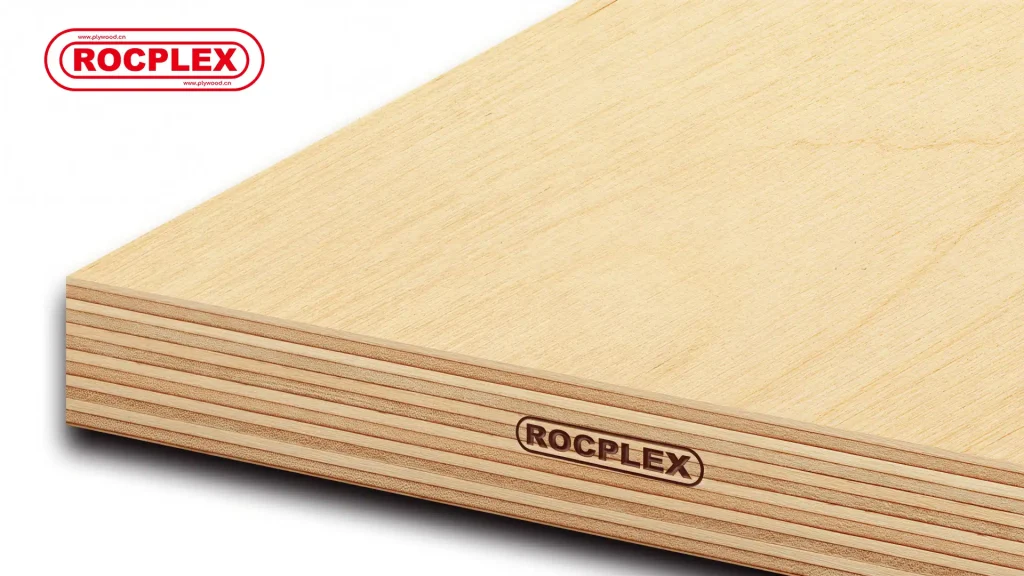
100% Full Birch Plywood
ROCPLEX Full Birch Plywood is crafted using 100% high-grade birch veneers. This plywood features uniform density, smooth surfaces, and strong core bonding. The material is ideal for demanding uses such as cabinetry, interior fittings, and precision machining. Full Birch Plywood from ROCPLEX is known for its stability and screw-holding strength. It provides consistency across sheets and performs well under mechanical stress. ROCPLEX ensures reliable supply and consistent product quality across markets.
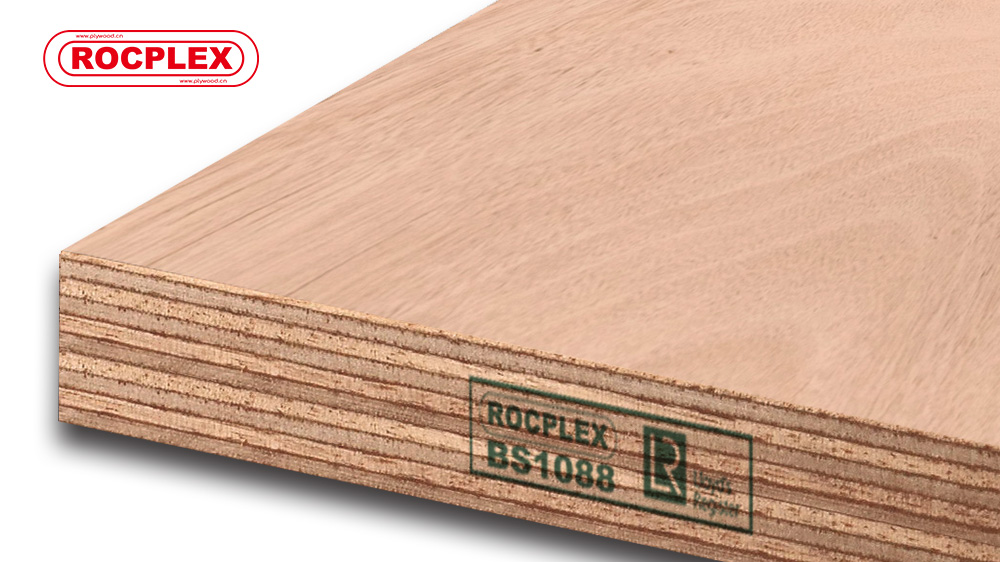
BS1088 Certified Marine Plywood
ROCPLEX 18mm Marine Plywood sheets with waterproof WBP bonding and smooth hardwood veneers provide high strength, moisture resistance, and long-term durability, ideal for boat building, dock construction, wet-area cabinetry, and exterior marine applications.
Post time: Nov-16-2026