

A shuttering board often looks like a simple line on a quote. Then the pour begins, the stripping gets harder, the edges wear too fast, and the concrete face needs more repair than expected. That is when buyers realize they were not comparing boards at all. They were comparing site risk. On ROCPLEX, shuttering board demand sits inside a wider formwork system that includes ROCPLEX Film Faced Plywood, formwork plywood alternatives, plastic faced panels, yellow formwork panels, and H20 slab beams. The site also presents film faced plywood as a panel with a smooth, durable face for concrete formwork and shuttering applications.
This makes shuttering board a strong traffic keyword and a strong enquiry keyword at the same time. A contractor may want cleaner slab and wall results. A distributor may want a dependable product line with repeat demand. An importer may want to know whether standard film faced panels are enough or whether a higher cycle board will lower cost across the project. That means the page should answer real buying questions, not generic product questions.
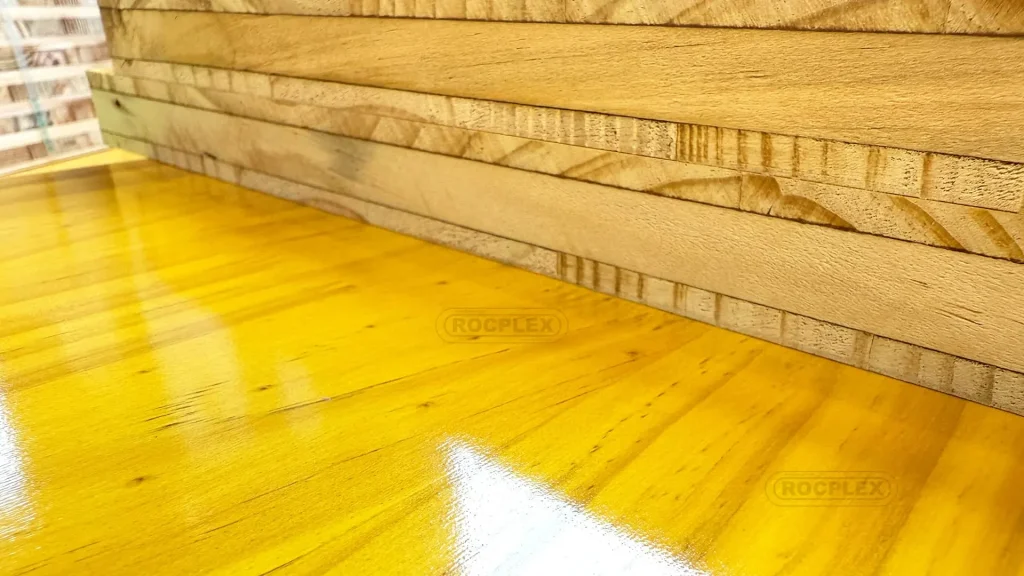
A shuttering board is judged at the pour not in the warehouse
A shuttering board has to do more than cover a form. It has to stay flat under load, release with less damage, resist moisture through handling, and keep giving a decent surface after more than one use. ROCPLEX Film Faced Plywood page makes those same points in product language. It describes a phenolic film overlay, moisture resistance, abrasion resistance, chemical resistance, strong cross laminated hardwood veneers, and multiple use value. It also positions the product for walls, columns, and slabs.
That matters because one familiar phrase can hide very different board routes. A buyer may ask for shuttering board and receive a standard film faced panel, a market specific formply route, or a plastic faced option designed for more cycles. The job result can change a lot even when the sheet size looks the same. So the smart buying question is not “Which shuttering board is cheapest?” It is “Which board survives this pour program with less waste and less rework?”
The best shuttering board often depends on what happens after stripping
Many buyers still compare only opening price. However, ROCPLEX own product structure suggests that formwork buyers should compare what happens after the first use. Standard film faced plywood is presented as reusable and cost effective for walls, columns, and slabs. Xlife Plastic Formwork Plywood is positioned as a tougher plastic faced solution. Yellow Formwork Panels are positioned as durable coated panels for consistent concrete formwork performance. These are not duplicates. They are different economic choices for different job conditions.
| Product route | What buyers usually want | Main advantage | When buyers move up |
|---|---|---|---|
| Standard shuttering board using film faced plywood | balanced cost and general formwork use | smooth face and practical reuse | when cycle life or finish needs rise |
| Yellow formwork panel | durable handling and stable day to day use | tough surface and consistent results | when crews want a simple, robust panel route |
| Xlife or plastic faced formwork board | longer run and rough use sites | higher durability and stronger cycle logic | when cost per use matters more than low entry price |
| Formply or market specific route | standard driven buying | better fit for a defined market route | when compliance path matters as much as price |
This table matters because it changes the buying lens. The right comparison is rarely board versus board. It is project need versus board route.
Shuttering board choice changes with wall work slab work and columns
A slab pour does not punish the panel in the same way as a wall form. A column pour does not expose the same weaknesses as a broad deck surface. That is why project type matters more than many buyers expect. ROCPLEX explicitly ties film faced plywood to walls, columns, and slabs, while its broader formwork pages and related products show that buyers can step into other panel types when the job becomes more demanding. A contractor who wants quick stripping and acceptable surface quality on routine slab work may stay with standard film faced panels. A buyer dealing with harder site conditions or more reuse pressure may move toward a stronger coated panel or plastic faced option.
This is also where concrete finish enters the conversation. ROCPLEX says the smooth phenolic face helps deliver cleaner and more precise concrete finishes. That benefit sounds simple, but it has direct cost value. Less surface repair means less labor, faster progress, and fewer disputes on finish expectations. So a better shuttering board often saves money in places that do not appear on the first quote.
The cheapest shuttering board on paper can become the most expensive board on site when reuse drops and finish repair rises.
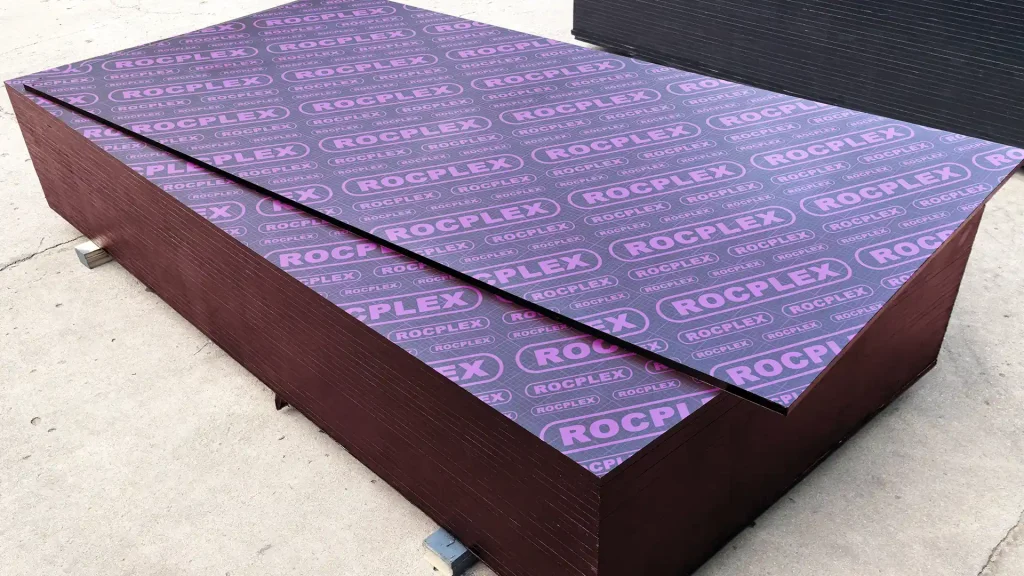
Standards and certification can also change the buying brief
A buyer who wants a basic shuttering board for local use may not ask many questions about standards. A buyer shipping to a regulated market usually cannot do that. ROCPLEX lists FSC, PEFC, CE, and CARB among its certification options for Film Faced Plywood, and its About page says ROC supplies formwork plywood, shuttering plywood, film faced plywood, H20 slab beams, LVL beams, scaffold planks, plastic plywood, and formwork panels to more than 38 countries. That makes standards and market route part of the buying conversation, not an afterthought.
Compliance requests can change what a buyer should ask for even before thickness and volume are discussed. So buyers who need a cleaner paperwork route should state that early. It saves time and avoids weak like for like comparisons against offers that do not carry the same compliance path.
Useful reference sources: APA Concrete Form Panels, BS EN 13986, and FSC Chain of Custody Certification.
A good shuttering board enquiry is short but specific
The fastest way to get a weak quote is to ask only for shuttering board price. The better route is to describe the job. Buyers should state size, quantity, and destination, but they should also say whether the job is mainly slab work, wall work, or columns, whether finish expectations are basic or higher, whether repeat use matters strongly, and whether the order needs FSC, PEFC, CE, or other certification support. That turns a generic reply into a useful quote.
- state the formwork use first
- state panel size and thickness next
- state the destination market
- state whether the concrete finish needs extra control
- state the expected reuse target
- state whether certification or branded compliance matters
- ask whether the supplier can also support beams or other formwork lines
This is where ROCPLEX has a conversion advantage. Its site structure does not stop at one panel. A buyer can move from Film Faced Plywood to Formwork Plywood, Yellow Formwork Panels, Xlife Plastic Formwork Plywood, and H20 Slab Formwork Beams without leaving the site. For wholesalers and contractors, that matters because many projects need a formwork package rather than a single board line.
Shuttering board questions buyers ask first
What is a shuttering board used for
A shuttering board is used to form and support concrete until the concrete sets. It is commonly used for walls, columns, slabs, and other formwork jobs.
Is shuttering board the same as film faced plywood
Often the buyer uses the terms in the same conversation, but the actual route can vary. A shuttering board may be standard film faced plywood, a market specific formply product, or a more durable coated formwork panel.
When should I move to a higher end shuttering board
Buyers usually move up when they need cleaner finish control, more cycles from each panel, or a project route that justifies stronger durability.
What should I send in the first quote request
Send the project type, panel size, thickness, quantity, destination, finish target, and expected reuse plan. That gives the supplier enough detail to quote the right board route.
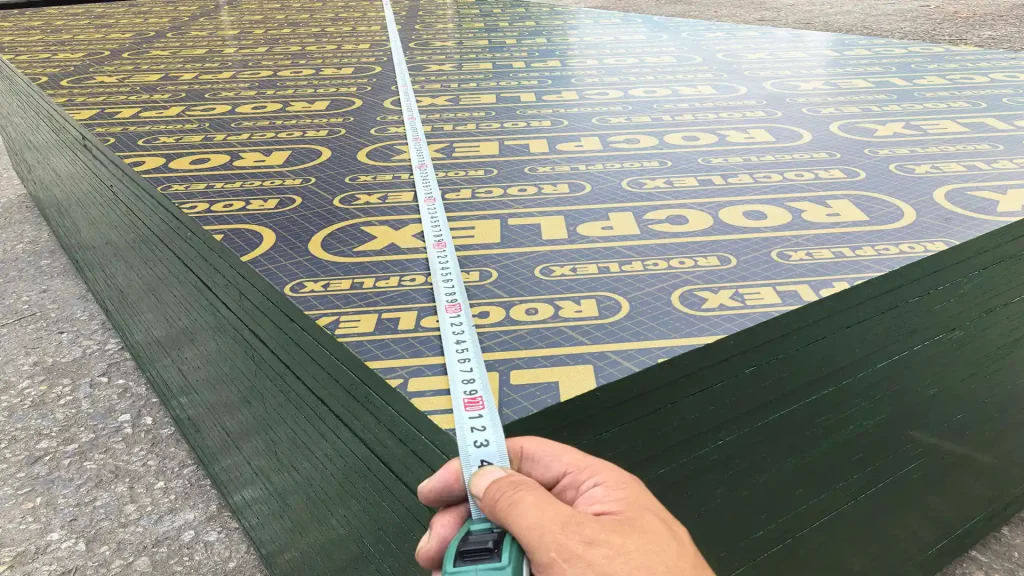
The best next step is to match the board to the pour plan
A page built to rank for shuttering board should not end with a vague slogan. It should push the reader toward a better buying method. Start with the pour plan. Then compare the board route, expected surface quality, handling life, and market requirements. After that, compare price. Buyers who follow that order are more likely to choose the right board, and sellers who answer in that order are more likely to win stronger enquiries.
On ROCPLEX, the most practical next path is to start from Film Faced Plywood, compare the wider Formwork Plywood family, then review Yellow Formwork Panels, Xlife Plastic Formwork Plywood, and H20 Slab Formwork Beams if the job demands more durability or a broader formwork package. That path feels closer to the way real site decisions are made, and it gives the searcher a stronger reason to turn a visit into a live enquiry.
Post time: Apr-17-2026